

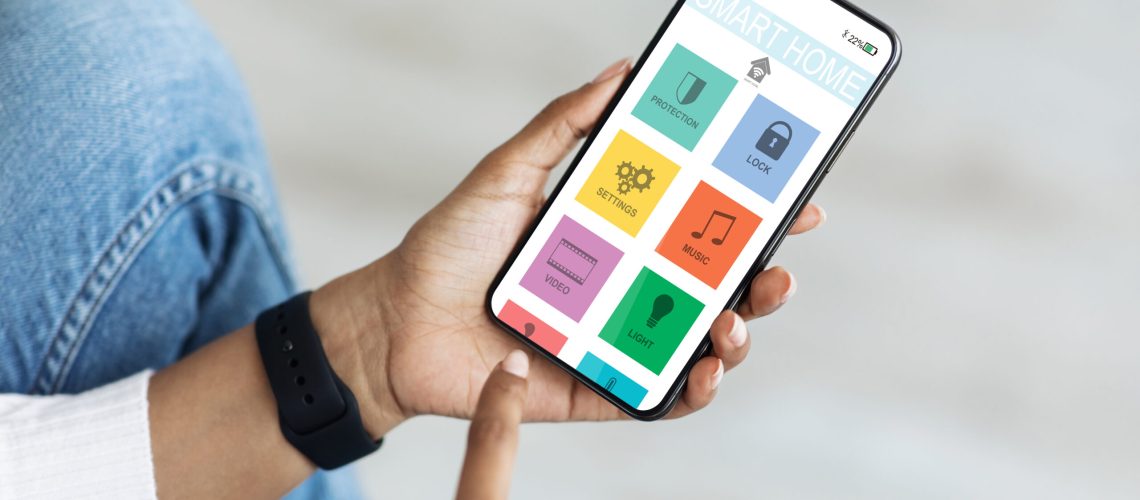
In a digital-first world where customers expect fast, seamless, and personalized experiences, businesses are turning to mobile solutions to elevate their engagement strategies. Today, understanding why mobile apps boost customer engagement is essential for any brand striving to stay relevant—especially in competitive markets where customer loyalty depends on convenience and user satisfaction.
With rapid technological growth and increased smartphone usage globally, users expect brands to be accessible at their fingertips. This shift has driven companies across industries—retail, healthcare, finance, real estate, education, and hospitality—to invest heavily in mobile app development. At the same time, strong web development continues to complement mobile experiences, creating unified digital ecosystems that attract and retain customers.
1. Mobile Apps Offer a Faster, More Seamless User Experience
One of the main reasons why mobile apps boost customer engagement is their ability to deliver smooth, fast, and responsive interactions. Unlike websites that depend on browser performance, mobile apps are built to operate efficiently on user devices. They reduce loading times, simplify navigation, and provide frictionless access to information.
Mobile apps are also optimized to handle high traffic without compromising performance—something traditional websites often struggle with. This reliability keeps customers engaged and encourages them to return frequently.
2. Personalization Drives Higher Engagement Rates
Today’s customers don’t want a one-size-fits-all experience—they expect tailored content that aligns with their preferences, behavior, and needs. Mobile apps make this possible through powerful personalization features.
Using data collected within the app, brands can customize:
Product recommendations
Push notifications
Offers and promotions
Content feeds
In-app experiences
This level of personalization is difficult to achieve with websites alone, even with advanced web development strategies. The ability to anticipate customer needs is a major reason why mobile apps boost customer engagement and satisfaction.
3. Push Notifications Keep Users Actively Engaged
Push notifications are one of the most effective tools for re-engaging users. They allow brands to communicate instantly and strategically, keeping customers updated with relevant information.
Businesses can send notifications for:
Exclusive discounts
Abandoned cart reminders
Appointment alerts
Order updates
New product launches
Personalized promotions
When used thoughtfully, push notifications significantly increase engagement by bringing users back to the app. This “always-connected” communication channel is a key advantage of mobile app development.
4. Mobile Apps Make Loyalty Programs Stronger
Customer loyalty programs are becoming crucial for brand success, and mobile apps take them to the next level. Instead of relying on plastic cards or email-based rewards, customers can access everything through a single app.
Mobile loyalty programs can include:
Points tracking
Instant rewards
Tier-based benefits
Personalized vouchers
Referral bonuses
This convenience encourages repeat usage and strengthens loyalty. Brands like Starbucks, Sephora, and many regional eCommerce players have proven that app-based loyalty programs generate more engagement compared to traditional methods.
5. Enhanced Accessibility and Convenience
Another major reason mobile apps boost customer engagement is their unmatched convenience. Customers can access the brand anytime, anywhere—even without a stable internet connection if the app includes offline features.
Mobile apps simplify tasks such as:
Browsing products
Ordering and payments
Booking appointments
Getting support via chat
Tracking deliveries
Managing accounts
This instant accessibility increases user satisfaction and engagement, which is often difficult to replicate solely through web development.
6. Better Integration with Device Features
Mobile apps can integrate directly with device features, making the user experience smoother and more interactive.
These include:
GPS for location-based offers
Camera for document uploads or AR features
Microphone for voice search
Biometrics for secure login
Sensors for health or fitness tracking
Such integrations give apps a significant advantage over websites, creating more engaging, immersive experiences that keep users returning.
7. Omnichannel Experiences Strengthen Digital Journeys
A well-developed mobile app works seamlessly alongside a business’s website, CRM, and other digital assets. This creates a consistent omnichannel experience.
For example, a customer may:
Browse products on a website
Add items to a wishlist
Complete the purchase in the app
Track delivery through push notifications
This full-loop engagement is possible when businesses invest in both mobile app development and strong web development. The smoother the cross-platform experience, the higher the engagement.
8. Mobile Apps Build Stronger Brand Presence
A mobile app places a brand directly on the user’s home screen—something no other digital channel can match. This constant visibility increases brand recall and encourages habitual engagement.
Apps also help brands express their identity through:
UI/UX design
Colors and typography
Interactive features
Storytelling through content
Over time, this builds emotional connection and transforms casual users into loyal brand advocates.
Conclusion
Understanding why mobile apps boost customer engagement is essential for any modern business looking to thrive in a digital-first world. With their superior performance, personalization capabilities, integrated loyalty programs, and ability to connect with users instantly, mobile apps offer unmatched engagement potential.
Combined with strategic web development, mobile apps create powerful digital ecosystems that deliver convenience, value, and seamless customer journeys. As user expectations continue to grow, businesses that invest in high-quality mobile app development will lead the market—while those without mobile strategies risk falling behind.