

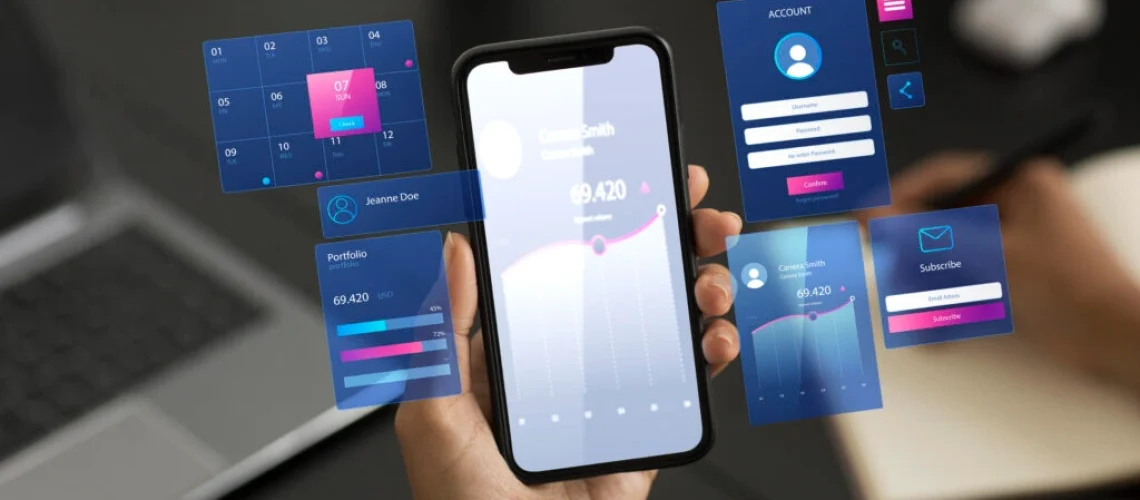
In today’s fast-paced digital world, mobile applications have become an essential part of everyday life. From shopping and banking to fitness and entertainment, users rely on apps for speed, convenience, and efficiency. With thousands of apps competing for attention, success no longer depends solely on functionality. Instead, the role of user experience in mobile apps has become a defining factor in whether an app is downloaded, retained, or quickly deleted.
User experience (UX) focuses on how users interact with an app, how easily they achieve their goals, and how enjoyable the process feels. A well-designed user experience can turn first-time users into loyal customers, while poor UX can drive users away permanently.
Why User Experience Matters in Mobile Apps
Mobile users expect instant results. Unlike desktop platforms, mobile apps are used on smaller screens, often in short sessions and on the go. This makes intuitive navigation and efficient design critical.
A positive user experience ensures that users can perform actions quickly without confusion. When apps feel smooth, responsive, and easy to understand, users are more likely to engage regularly. This is why UX is a top priority in modern mobile app development.
First Impressions and App Adoption
The first few moments after opening an app are crucial. Users immediately judge the app based on layout, loading speed, and ease of navigation. If the onboarding process is too complex or the interface feels cluttered, users may abandon the app before exploring its features.
Thoughtful UX design helps guide users naturally through the app. Clear icons, consistent layouts, and minimal distractions contribute to a strong first impression that builds trust and encourages continued use.
Navigation and Usability on Small Screens
Mobile devices present unique challenges due to limited screen space. Effective UX design prioritizes simplicity and clarity, ensuring that essential features are easy to find and use.
Well-structured navigation allows users to move seamlessly between screens. Buttons should be easily tappable, text should be readable, and interactions should feel natural. Behind the scenes, both mobile app development and web development work together to ensure smooth functionality and responsive behavior across devices.
Performance and Speed Enhance User Experience
Performance is a critical component of mobile app UX. Slow loading times, crashes, or unresponsive elements quickly frustrate users. Optimized code, efficient data handling, and smooth animations all contribute to better performance.
Strong development practices ensure that apps run efficiently, even on older devices or slower networks. When an app responds instantly, users associate the experience with quality and reliability.
Consistency Across Platforms
Many apps are designed to work alongside web platforms. Consistency in design and functionality between mobile apps and websites creates a unified brand experience.
This is where web development plays an important role. When mobile apps and web platforms share design patterns and functionality, users can switch between them effortlessly. Consistency reduces the learning curve and strengthens brand recognition.
Personalization and User Engagement
Personalization has become a key element of modern mobile app UX. Users expect apps to adapt to their preferences, behavior, and needs. Personalized content, notifications, and recommendations make users feel valued and understood.
From a UX perspective, personalization should enhance convenience without becoming intrusive. Well-balanced personalization increases engagement, improves retention rates, and encourages long-term app usage.
Accessibility and Inclusive Design
User experience in mobile apps must consider accessibility for users of all abilities. Accessible UX design ensures that apps are usable by individuals with visual, auditory, or motor impairments.
Features such as readable fonts, proper color contrast, voice support, and intuitive gestures make apps more inclusive. Accessibility-focused mobile app development not only improves UX but also expands the app’s potential user base.
User Feedback and Continuous Improvement
User experience is not a one-time effort. Successful mobile apps evolve based on user feedback and behavior. Analytics, user reviews, and testing help identify pain points and opportunities for improvement.
Continuous updates driven by user insights ensure that the app remains relevant, user-friendly, and competitive. Both mobile and web development teams play a role in refining UX over time.
The Business Impact of Good User Experience
A strong user experience directly impacts business success. Apps with excellent UX enjoy higher retention rates, better reviews, and increased user loyalty. Users are more likely to recommend apps that are easy and enjoyable to use.
In contrast, poor UX can result in negative feedback, low engagement, and high uninstall rates. Investing in UX is not just a design decision—it is a strategic business move.