

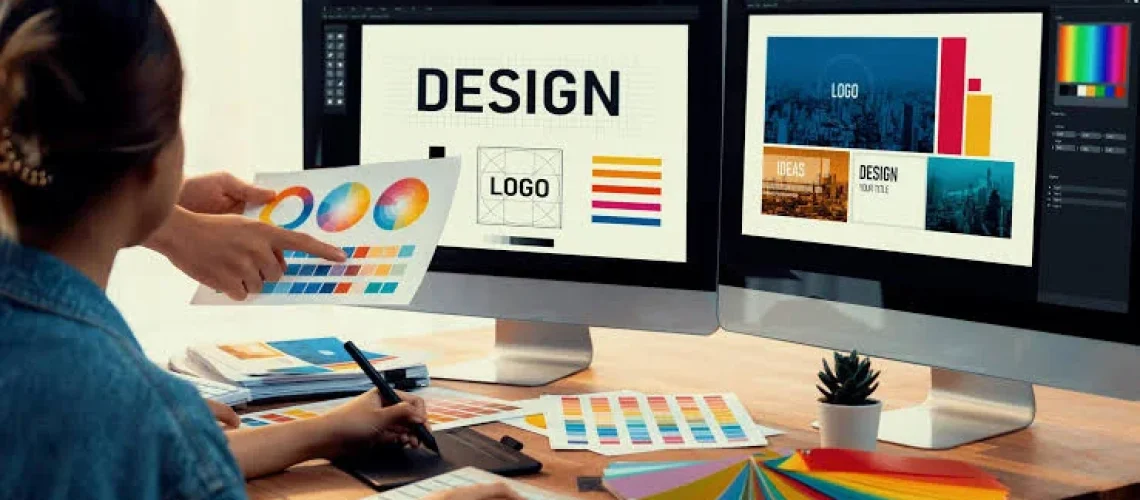
In a competitive digital environment, a business website is more than an online platform for displaying products or services. It represents the company’s personality, values, and professional identity. A well-designed website helps businesses communicate what makes them different, establish credibility, and create meaningful connections with their target audience. While ready-made templates can provide a quick starting point, custom website design offers greater flexibility to develop a digital experience that reflects a brand’s individual characteristics.
Custom Website Design for Unique Brand Identities focuses on creating websites that align with a company’s vision, visual style, customer expectations, and business objectives. By combining creative design with functional development, businesses can establish a recognizable online presence and deliver a consistent brand experience across digital touchpoints.
Understanding the Importance of Custom Website Design
Every business has its own identity, audience, and goals. A generic website may communicate basic information, but it may not effectively represent the qualities that distinguish one company from another. Custom website design addresses this challenge by developing layouts, visual elements, and functionality around specific business requirements.
The process begins with understanding the brand’s mission, values, services, and target audience. These insights guide decisions about colors, typography, imagery, navigation, and content presentation. When these elements work together, the website becomes a natural extension of the brand rather than simply a collection of web pages.
A customized approach also allows businesses to create experiences that match their customers’ expectations. For example, a creative agency may benefit from an expressive portfolio, while a professional service provider may require a clean layout with clear service descriptions and accessible contact options.
Creating a Consistent Visual Brand Identity
Visual consistency is one of the most important aspects of effective website design. Visitors should be able to recognize a brand through its colors, typography, imagery, logo placement, and overall presentation.
Custom website design allows businesses to establish a visual system that reflects their personality. Color combinations can communicate different impressions, while typography influences readability and the tone of the website. Carefully selected images and illustrations can reinforce the brand message and make content more engaging.
Consistency should extend across every important page, including the homepage, service pages, product listings, company information, and contact sections. Repeated design patterns help visitors navigate the website comfortably while strengthening brand recognition.
However, visual appeal should not come at the expense of usability. A successful design balances creativity with clarity, ensuring that customers can understand the business and find relevant information without unnecessary distractions.
Designing Websites Around Customer Needs
A distinctive website must also be easy to use. Even the most creative design may fail to support business objectives if visitors struggle to navigate the pages or understand the available services.
Understanding customer behavior is therefore an essential part of the design process. Businesses should consider what visitors want to accomplish, what information they need, and which actions are most important to their journey.
Clear navigation menus, logical page structures, readable text, and strategically positioned calls to action help create a smooth browsing experience. Depending on business goals, these actions may include requesting a quotation, exploring a portfolio, purchasing a product, or contacting a service team.
User research, customer feedback, and usability testing can help identify areas for improvement. By designing around genuine customer needs, businesses can create websites that are both visually distinctive and functionally effective.
Ensuring Responsive and Mobile-Friendly Design
Customers access websites using different devices, including smartphones, tablets, laptops, and desktop computers. A custom website should deliver a consistent experience across these screen sizes.
Responsive design allows page layouts and content elements to adjust to the available screen space. Developers can implement flexible grids, adaptable images, readable typography, and touch-friendly navigation to improve mobile usability.
Mobile optimization also requires attention to practical details. Buttons should be easy to select, forms should be simple to complete, and essential information should remain accessible without excessive scrolling.
Testing the website across different devices and browsers helps identify layout issues before they affect visitors. A responsive website supports accessibility, improves customer convenience, and helps businesses maintain a professional image across digital platforms.
Integrating Functionality With Brand Requirements
Custom website design provides opportunities to include features that support a company’s specific operations. Instead of adapting business processes to the limitations of a standard template, organizations can develop functionality that suits their requirements.
Depending on the project, this may include interactive product catalogs, booking systems, customer portals, online payment options, portfolio galleries, advanced search features, or inquiry forms. Integration with customer relationship management systems and marketing platforms can also improve business workflows.
Every feature should serve a clear purpose. Unnecessary functionality can increase development costs, introduce technical complexity, and make the website harder to maintain. Prioritizing features according to business objectives helps create a practical and efficient digital platform.
Custom functionality should also be tested thoroughly to ensure reliability, usability, and compatibility with the website’s other components.
Improving Website Performance and Search Visibility
A distinctive visual identity must be supported by strong technical performance. Slow-loading pages, broken links, and difficult navigation can negatively affect customer experience, regardless of how attractive the website appears.
Performance optimization may include compressing images, minimizing unnecessary scripts, using efficient code, and selecting appropriate hosting infrastructure. Regular monitoring helps identify issues that could affect loading speed and responsiveness.
Search engine optimization should also be incorporated into the development process. Descriptive page titles, relevant meta descriptions, organized headings, clear URLs, internal links, and a logical website structure help search engines understand the content.
Businesses should complement technical SEO with useful, original content that addresses customer questions and explains their offerings. Combining performance optimization, accessible design, and relevant content helps build a stronger foundation for long-term online visibility.
Maintaining Brand Consistency as the Business Grows
A brand’s identity may evolve as its services, audience, and business objectives change. Custom website design can make it easier to introduce new pages, update visual elements, and expand functionality without compromising the existing experience.
A flexible design system helps maintain consistency as the website grows. Reusable components, standardized typography, defined color palettes, and consistent spacing rules simplify future updates.
Regular maintenance is equally important. Businesses should update content, review website performance, check links, apply security patches, and ensure that essential features continue to function correctly.
Analyzing visitor behavior and gathering customer feedback can also reveal opportunities to improve the design. Continuous refinement keeps the website relevant while ensuring that it continues to reflect the company’s identity and goals.
Custom Website Design for Unique Brand Identities helps businesses create digital experiences that communicate their values, distinguish their offerings, and build stronger relationships with customers. By combining consistent visual elements, customer-focused navigation, responsive layouts, tailored functionality, and effective technical optimization, organizations can develop websites that support both branding and business performance.
Investing in a customized website provides greater control over how a brand is presented online. With thoughtful planning and ongoing improvements, a well-designed website can become a valuable long-term asset that strengthens recognition, supports customer engagement, and contributes to sustainable business growth.