
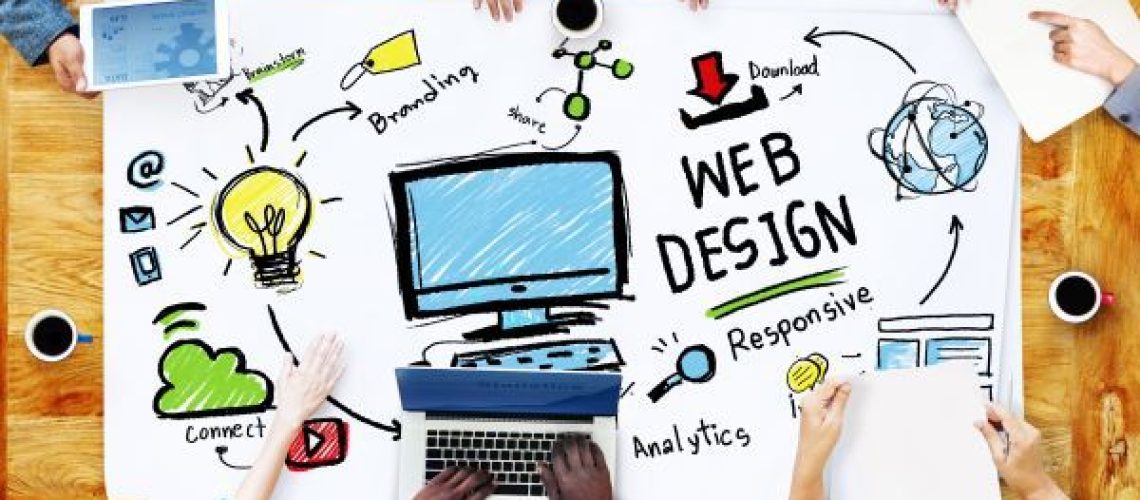
In today’s digital-first economy, a business website is often the first interaction customers have with a brand. That means design is no longer just about aesthetics—it directly impacts trust, engagement, and conversions. Keeping up with the latest Web Design Trends for Business Websites is essential for staying competitive and relevant in a fast-changing digital landscape.
Modern web design focuses on clarity, speed, personalization, and user experience, with emerging technologies like AI and immersive interfaces shaping how websites are built.
1. AI-Powered Web Design and Personalization
One of the biggest shifts in modern web design is the integration of AI tools. Websites are becoming smarter and more adaptive to user behavior.
Key trends include:
- AI-generated layouts and visuals
- Personalized content based on user behavior
- Smart recommendations and dynamic interfaces
- Automated UI testing and optimization
AI-driven design helps businesses create more engaging and conversion-focused websites.
2. Minimalist and Clean Layouts
Simplicity continues to dominate modern business websites. Minimal design helps users focus on important content without distractions.
Characteristics include:
- Clean spacing and structured layouts
- Limited color palettes
- Clear typography hierarchy
- Reduced visual clutter
Minimalist websites load faster and improve readability, which enhances both UX and SEO performance.
3. Bold Typography and Strong Visual Hierarchy
Typography has become a primary design element rather than just a supporting feature.
Modern trends include:
- Oversized headlines for impact
- Unique font pairings for branding
- Strong contrast between headings and body text
- Use of typography for storytelling
Bold typography helps businesses communicate messages quickly and clearly.
4. Dark Mode and Adaptive Themes
Dark mode is now a standard expectation in modern web design. Many business websites offer both light and dark themes.
Benefits include:
- Reduced eye strain for users
- Better battery efficiency on mobile devices
- Modern and premium visual appeal
- Improved readability in low-light environments
Dark mode enhances user comfort and brand perception.
5. Glass morphism and Layered UI Effects
Glass-like UI elements and layered visuals are becoming popular in modern business websites.
Features include:
- Frosted glass panels
- Soft transparency effects
- Layered depth with shadows and blur
- Modern, futuristic appearance
When used carefully, these effects create a premium and professional digital experience.
6. Mobile-First and Responsive Design
With mobile traffic dominating web usage, mobile-first design is no longer optional.
Key practices:
- Responsive layouts for all screen sizes
- Touch-friendly navigation
- Optimized mobile performance
- Simplified mobile UI structure
A mobile-first approach ensures accessibility and better search engine rankings.
7. Micro-Interactions and Subtle Animations
Micro-interactions improve user engagement by making websites feel more interactive and alive.
Examples include:
- Button hover animations
- Loading indicators
- Scroll-based transitions
- Feedback animations after actions
These small details improve usability and create a premium user experience.
8. Organic Shapes and Flexible Layouts
Rigid grid structures are being replaced with more fluid and creative layouts.
Design trends include:
- Asymmetrical layouts
- Curved and organic shapes
- Layered content sections
- Dynamic visual flow
This makes websites feel more modern and visually engaging while still maintaining structure.
9. Immersive Visual Experience (3D & Scrolling Effects)
Modern websites are increasingly using immersive storytelling techniques.
Popular elements:
- Parallax scrolling
- 3D visuals and animations
- Cinematic transitions
- Interactive product showcases
These features enhance engagement and keep users on the site longer.
10. Performance-Focused Design
Speed and performance are now core design priorities rather than technical afterthoughts.
Best practices:
- Optimized images and media files
- Lightweight code structure
- Fast-loading pages
- Efficient hosting and caching
A faster website improves both SEO rankings and user satisfaction.
11. Accessibility-First Design
Modern business websites are built for inclusivity, ensuring usability for all users.
Key elements:
- High contrast text
- Screen reader compatibility
- Scalable fonts
- Keyboard navigation support
Accessible design improves reach and enhances brand credibility.
The latest Web Design Trends for Business Websites focus on creating fast, user-friendly, and visually engaging digital experiences. From AI-powered personalization and minimalist layouts to immersive visuals and mobile-first design, modern websites are evolving to meet rising user expectations.
Businesses that adopt these trends not only improve user experience but also strengthen SEO performance, build trust, and increase conversions. Staying updated with web design innovation is essential for long-term digital success in today’s competitive marketplace.