

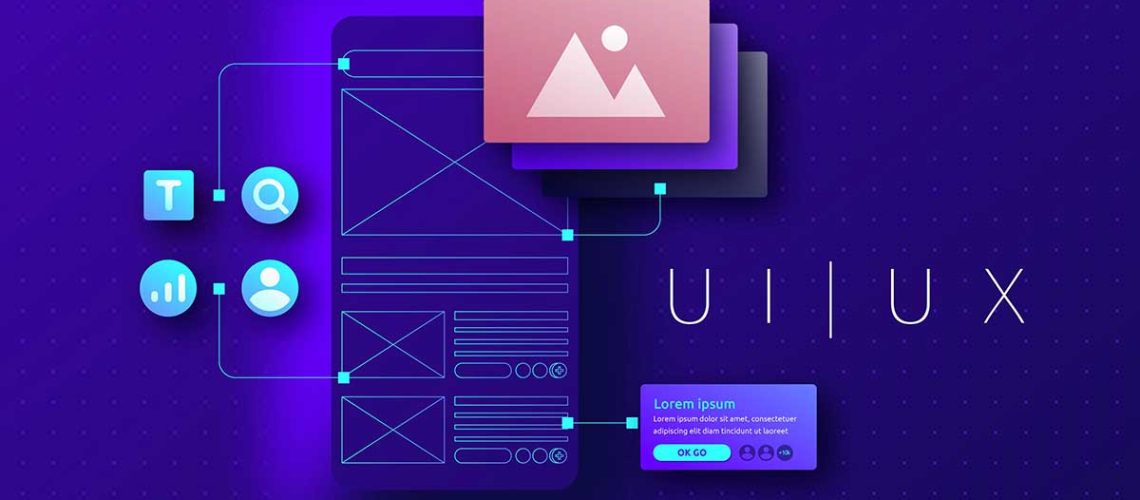
Creating a successful online presence requires more than simply launching a site. A well-structured and intuitive interface ensures that visitors can quickly find the information they need. Understanding How to Design User-Friendly and Easy-to-Navigate Websites helps businesses deliver a smooth experience, increase engagement, and encourage visitors to stay longer. Clear navigation, responsive layouts, and thoughtful content organization are the foundations of an effective digital platform.
A user-friendly website focuses on simplicity, accessibility, and logical design. When users land on a page, they should instantly understand where to go next. A confusing interface often leads to higher bounce rates and lost opportunities. By focusing on usability and smart structure, a website becomes a powerful communication and marketing tool.
Understanding the Importance of User-Friendly Website Design
User experience plays a major role in determining whether visitors remain on a site or leave quickly. A website that is easy to navigate creates confidence and trust. Visitors expect pages to load quickly, menus to be clear, and content to be organized logically.
User-friendly interfaces simplify the browsing process. Visitors should not need to search extensively for essential information. Instead, menus, buttons, and sections should guide them naturally from one page to another. A well-designed platform improves both customer satisfaction and overall site performance.
Sub keywords: user-friendly website design, website navigation structure, website usability, responsive website layout
Clear Navigation Structure Improves User Experience
Navigation is one of the most critical components of a successful website. A clean and organized menu allows users to move effortlessly across pages. Logical grouping of content helps visitors quickly identify the sections they need.
A clear navigation structure typically includes a simple top menu, visible call-to-action buttons, and organized page categories. Dropdown menus can help categorize information without overcrowding the main interface. Breadcrumb navigation also helps users track their location within the site.
Consistency in navigation design across all pages prevents confusion. When the layout remains stable, users feel more comfortable exploring additional content.
Mobile-Friendly Layout Is Essential
Modern users access websites from multiple devices including smartphones, tablets, and desktops. A responsive layout ensures that the design automatically adapts to different screen sizes.
Mobile-friendly layouts prioritize readability and touch-friendly navigation. Large buttons, flexible images, and simplified menus help create a comfortable browsing experience. Responsive design not only improves usability but also supports search engine visibility.
When designing for mobile devices, content should remain clear and easy to scan. Short paragraphs, proper spacing, and readable fonts contribute to a smooth mobile browsing experience.
Organizing Content for Better Readability
Content structure directly affects how users interact with a website. Visitors typically scan pages rather than reading every line. Well-organized content helps them quickly locate important information.
Headings and subheadings break large sections into manageable parts. Bullet points and short paragraphs make the content easier to understand. Visual elements such as images and icons also support clarity and engagement.
Effective content hierarchy guides readers naturally from one section to another. Important information should appear at the top, followed by supporting details.
Fast Loading Speed Enhances Usability
Website speed significantly influences user satisfaction. Slow pages often cause visitors to leave before the content loads. Optimizing performance helps maintain engagement and improves overall browsing experience.
Several factors contribute to faster loading speeds, including optimized images, efficient coding, and reliable hosting services. Minimizing unnecessary scripts and reducing large file sizes also improve performance.
Fast websites provide immediate access to information, which encourages users to explore additional pages and interact with the content.
Visual Simplicity Creates Better Engagement
Minimalist design often leads to better usability. A cluttered interface filled with excessive colors, graphics, and text can overwhelm visitors. Simple layouts with adequate spacing create a clean and professional appearance.
Consistent typography, balanced color schemes, and clear visual hierarchy guide the user’s attention toward important sections. Highlighting key elements such as navigation menus and call-to-action buttons ensures users know where to click next.
A visually balanced design supports both readability and functionality. When design elements are carefully placed, users experience less distraction and more clarity.
Accessibility Improves Website Inclusivity
Accessible websites ensure that users with different abilities can interact with content easily. Design considerations such as readable fonts, color contrast, and alternative text for images improve accessibility.
Keyboard navigation and screen-reader compatibility also enhance usability for a wider audience. Accessibility not only improves user satisfaction but also supports compliance with global web standards.
Designing with accessibility in mind ensures that everyone can benefit from the information and services provided by the website.
Testing and Continuous Improvement
Even well-designed websites benefit from regular evaluation. Testing helps identify navigation issues, slow pages, or confusing layouts. User feedback and analytics data provide valuable insights into visitor behavior.
Continuous improvement allows businesses to refine their digital platforms over time. Updating layouts, improving performance, and enhancing content structure help maintain a modern and efficient website.
Monitoring user interactions also helps identify which pages perform best and which areas need improvement.
The Role of Website Design and Website Development
Effective digital platforms rely on the combined efforts of website design and website development. Design focuses on visual layout, usability, and user interaction, while development ensures the technical structure works smoothly behind the scenes.
When both aspects work together, websites become faster, more responsive, and easier to navigate. A balanced approach creates a reliable digital environment where users can easily access information and interact with services.
Understanding How to Design User-Friendly and Easy-to-Navigate Websites is essential for building strong online experiences. Clear navigation, responsive layouts, structured content, and fast loading speeds all contribute to better usability.
A well-organized website encourages visitors to explore, engage, and return in the future. By focusing on simplicity, accessibility, and thoughtful structure, businesses can create platforms that deliver both functionality and value to users. Consistent testing and improvement ensure that websites remain effective, modern, and easy to navigate in an evolving digital landscape.