

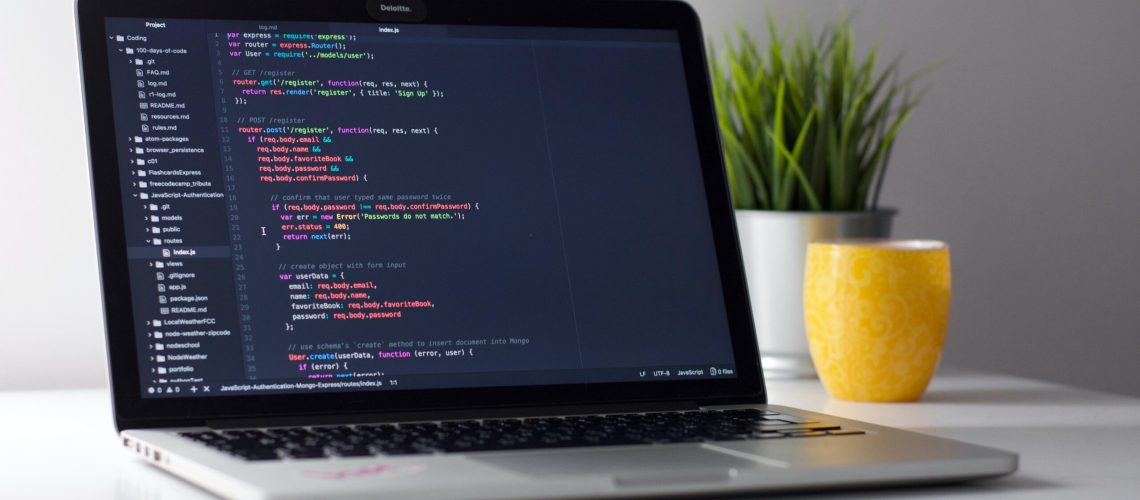
Software development is not only about making an application work. Developers also need to ensure that the code is understandable, maintainable, scalable, and reliable. As applications become larger and development teams grow, poorly written code can create unnecessary complexity and increase the time required for future changes. This is why following clean code principles is an important part of professional software development.
Clean code refers to code that is easy to read, understand, test, modify, and maintain. It uses meaningful names, logical structures, consistent formatting, and simple solutions. While different programming languages have their own conventions, the fundamental goal remains the same: developers should write code that other developers can understand and work with efficiently.
Improves Code Readability
One of the biggest benefits of clean code is improved readability. Developers frequently work with code written by someone else, and even the original developer may need to revisit their own code months or years later. Code that is difficult to understand can slow down development and increase the possibility of mistakes.
Meaningful variable, function, and class names help communicate the purpose of different parts of an application. Instead of using unclear names such as x, data1, or temp, developers can choose descriptive names that explain what the value represents. Clear formatting and logical organization further improve readability.
Makes Maintenance Easier
Software is rarely finished after its initial release. Businesses regularly need new features, security updates, performance improvements, bug fixes, and design changes. Clean code makes these modifications easier because developers can quickly understand how different components work.
When code is organized into logical and reusable sections, developers can make changes without unnecessarily affecting unrelated functionality. This reduces maintenance effort and helps teams respond more efficiently to changing business requirements.
Reduces Technical Debt
Technical debt occurs when developers choose quick or poorly structured solutions that create additional work in the future. While shortcuts may sometimes help meet immediate deadlines, excessive technical debt can make an application increasingly difficult to manage.
Following clean code principles can reduce unnecessary complexity from the beginning. Simple structures, reusable components, appropriate abstractions, and consistent coding practices can help prevent small problems from becoming larger technical challenges.
Helps Reduce Bugs
Clean code does not automatically eliminate software bugs, but it can make them easier to identify and prevent. When logic is organized clearly, developers can better understand how data moves through an application and where potential problems may occur.
Small, focused functions are generally easier to test than large functions containing many responsibilities. Clear error handling and consistent coding patterns can also make unexpected behavior easier to diagnose.
Supports Better Collaboration
Modern software projects are often developed by teams rather than individuals. Multiple developers may work on the same codebase simultaneously, making consistency extremely important.
Clean code provides a common structure that team members can understand. Consistent naming conventions, formatting rules, file organization, and documentation can reduce confusion during collaboration. Developers can review each other’s work more effectively when the code follows recognizable patterns.
This becomes particularly valuable when new developers join a project. Well-structured code reduces the learning curve and helps new team members understand the application faster.
Makes Testing More Effective
Testing is an essential part of reliable software development. Clean code can make unit testing, integration testing, and automated testing easier to implement.
Functions that perform a single clear task are easier to test because their expected inputs and outputs are more predictable. When components are loosely coupled, developers can test individual parts without depending heavily on unrelated systems.
Testable code also encourages developers to think carefully about how different components interact, which can contribute to better overall software architecture.
Improves Scalability
As applications grow, their codebases can become significantly more complex. A structure that works for a small application may become difficult to manage when the number of users, features, and developers increases.
Clean code principles encourage modularity and separation of responsibilities. Developers can organize functionality into manageable components that can be updated or expanded independently. This provides a stronger foundation for scaling an application over time.
Enhances Security
Security should be considered throughout the development lifecycle. Clean and well-organized code can make it easier for developers to identify potentially risky areas, validate inputs, manage errors, and review sensitive operations.
Readable code is also easier to audit. When security-related logic is hidden inside complicated or duplicated code, vulnerabilities may be more difficult to identify. Clear structures and consistent practices can therefore support more effective security reviews.
Saves Development Time in the Long Run
Writing clean code may sometimes require additional thought during the initial development stage. Developers may spend more time selecting appropriate names, organizing functions, removing duplication, or designing reusable components.
However, this effort can save significant time later. Developers spend less time trying to understand complicated code, debugging avoidable issues, or rewriting poorly structured components. Over the lifecycle of a project, maintainability can have a major impact on development efficiency.
Encourages Professional Development Practices
Following clean code principles encourages developers to think beyond simply making software function. It promotes careful planning, consistency, code reviews, testing, refactoring, and continuous improvement.
Developers who consistently apply these principles can also create coding standards that help teams maintain quality across large projects. Combined with version control, automated testing, documentation, and continuous integration, clean code can contribute to a more efficient development workflow.
Clean code principles are essential for creating software that remains manageable as it evolves. Readable code makes collaboration easier, well-structured components simplify maintenance, and focused functions support testing and debugging. Clean coding practices can also reduce technical debt, improve scalability, support security reviews, and save development time over the long term.
For developers, writing clean code is not simply about making programs look organized. It is about creating software that other people can understand, maintain, test, improve, and extend. By making clean code a consistent part of the development process, teams can build more reliable and sustainable applications.


