

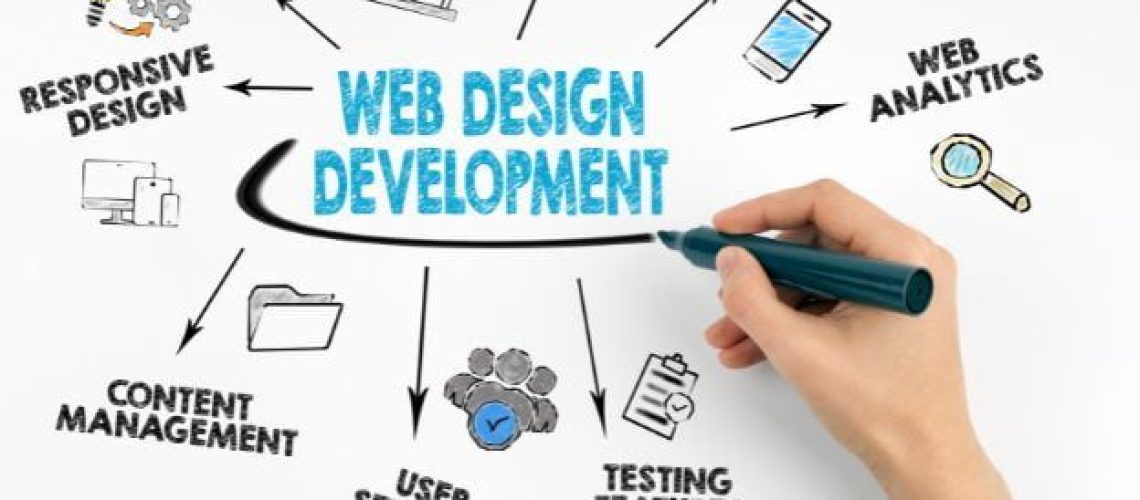
A website is no longer just an online presence—it is the foundation of a brand’s digital identity, customer engagement, and revenue generation. Whether you are a startup or an established enterprise, following a structured Website Development Checklist for Businesses ensures that your website is functional, user-friendly, SEO-optimized, and ready to convert visitors into customers.
This comprehensive guide breaks down every essential stage of website development so businesses can avoid costly mistakes and build a strong online presence from the start.
1. Define Business Goals and Website Objectives
Before writing a single line of code or selecting a design template, it is essential to define your website’s purpose. Every successful Website Development Checklist for Businesses begins with clarity.
Ask key questions such as:
- What is the primary goal of the website (sales, leads, branding, or information)?
- Who is the target audience?
- What actions should users take on the website?
Clear objectives help guide design decisions, content structure, and functionality requirements.
2. Plan Website Structure and Navigation
A well-organized website structure improves user experience and SEO performance. Visitors should be able to find information quickly without confusion.
Key planning elements include:
- Creating a sitemap
- Defining main pages (Home, About, Services, Blog, Contact)
- Organizing subpages logically
- Designing intuitive navigation menus
A strong structure is a core part of any Website Development Checklist for Businesses because it ensures smooth browsing and better engagement.
3. Choose the Right Technology Stack
Selecting the right technology is crucial for performance, scalability, and security. Businesses should choose platforms based on their requirements.
Common options include:
- CMS platforms like WordPress for flexibility
- Custom development using frameworks like React, Angular, or Laravel
- E-commerce platforms like Shopify or WooCommerce
The technology stack should align with business growth plans and long-term scalability.
4. Focus on Responsive and Mobile-Friendly Design
With most users accessing websites through mobile devices, responsive design is non-negotiable. A mobile-friendly interface ensures that the website adapts seamlessly to different screen sizes.
Key considerations:
- Mobile-first design approach
- Touch-friendly buttons and menus
- Optimized images for fast loading
- Consistent layout across devices
A responsive design is a critical factor in the Website Development Checklist for Businesses because it directly impacts user experience and search rankings.
5. Optimize Website Speed and Performance
Website speed plays a major role in user satisfaction and SEO rankings. Slow websites often lead to higher bounce rates and lost conversions.
Performance optimization steps include:
- Compressing images
- Using caching mechanisms
- Minimizing CSS, JavaScript, and HTML files
- Choosing a reliable hosting provider
Fast-loading websites create a better impression and improve customer retention.
6. Implement SEO Best Practices
Search engine optimization ensures your website ranks higher on Google and attracts organic traffic. No Website Development Checklist for Businesses is complete without SEO integration.
Important SEO elements:
- Keyword-optimized content
- Proper meta titles and descriptions
- Clean URL structure
- Internal linking strategy
- Image alt tags
- XML sitemap submission
SEO should be built into the website from the beginning, not added later.
7. Create High-Quality and Engaging Content
Content is the backbone of any website. It communicates your brand message and builds trust with visitors.
Focus on:
- Clear and concise messaging
- Value-driven blog content
- Professional service descriptions
- Strong call-to-action (CTA) buttons
- Engaging visuals and graphics
High-quality content improves engagement and helps convert visitors into customers.
8. Ensure Strong Website Security
Security is essential to protect user data and maintain trust. Businesses must prioritize secure website development practices.
Key security measures:
- SSL certificate installation (HTTPS)
- Regular software updates
- Secure hosting environment
- Firewall protection
- Strong password policies
Security is a vital step in the Website Development Checklist for Businesses to prevent data breaches and cyber threats.
9. Integrate Essential Features and Tools
Modern websites require advanced features to enhance user experience and functionality.
Common integrations include:
- Contact forms and inquiry systems
- Live chat support
- Analytics tools like Google Analytics
- CRM integration
- Payment gateways for e-commerce
These tools help businesses track performance and improve customer interaction.
10. Test Website Functionality Before Launch
Testing ensures that everything works perfectly before the website goes live. Skipping this step can lead to broken features and poor user experience.
Testing checklist:
- Cross-browser compatibility
- Mobile responsiveness
- Form functionality
- Link checking
- Speed testing
Thorough testing is a crucial part of the Website Development Checklist for Businesses to ensure a smooth launch.
11. Launch and Monitor Performance
After development and testing, the website is ready for launch. However, the process does not end here.
Post-launch activities include:
- Monitoring website traffic
- Tracking user behavior
- Fixing bugs and errors
- Updating content regularly
- Improving SEO based on analytics
Continuous optimization ensures long-term success and better digital performance.
A well-planned website is one of the most powerful digital assets for any business. By following a structured Website Development Checklist for Businesses, companies can create websites that are visually appealing, technically strong, SEO-friendly, and conversion-focused.
From planning and design to security and performance optimization, each step plays a crucial role in building a successful online presence. Businesses that invest in a proper development checklist not only improve user experience but also achieve stronger branding and higher revenue growth in the digital marketplace.