

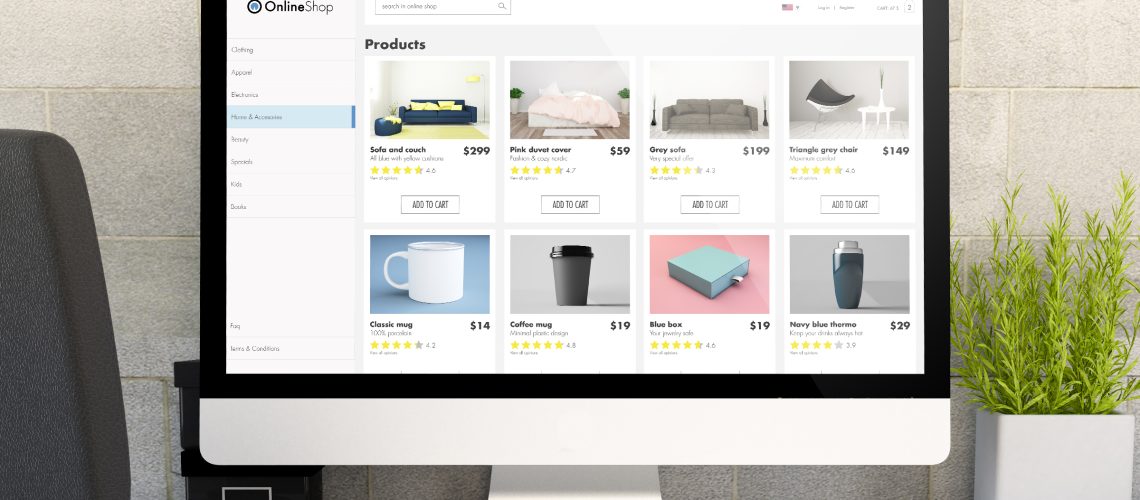
In the highly competitive digital marketplace, having a functional online store is not enough. Businesses need a well-planned and visually appealing website that attracts visitors, engages them, and converts them into customers. This is where effective web design plays a crucial role. The right Web Design Strategies for E-commerce Websites can significantly improve user experience, increase sales, and strengthen brand identity.
A successful e-commerce website is not just about aesthetics; it is about combining design, functionality, speed, and usability in a way that guides users smoothly through their shopping journey.
Focus on User-Centered Design
One of the most important principles in Web Design Strategies for E-commerce Websites is user-centered design. This approach focuses on understanding the needs, behaviors, and expectations of customers.
Key elements include:
- Simple and intuitive navigation
- Clear product categories
- Easy-to-use search functionality
- Minimal distractions during browsing
When users can easily find what they are looking for, they are more likely to stay longer and complete a purchase. A clutter-free design reduces confusion and enhances overall satisfaction.
Mobile-First Design Approach
With a significant number of online shoppers using smartphones, mobile-first design has become essential for e-commerce success. A website must be fully responsive and optimized for smaller screens.
Important mobile design strategies include:
- Responsive layouts that adjust to screen sizes
- Fast-loading mobile pages
- Touch-friendly buttons and menus
- Simplified checkout process for mobile users
A mobile-friendly website not only improves user experience but also enhances search engine rankings, making it a vital part of modern e-commerce design.
Fast Loading Speed for Better Conversions
Website speed is directly linked to conversion rates. Studies show that even a one-second delay in loading time can lead to a drop in sales. Therefore, optimizing performance is a core part of Web Design Strategies for E-commerce Websites.
Ways to improve speed include:
- Compressing images without losing quality
- Using lightweight themes and frameworks
- Reducing unnecessary scripts and plugins
- Implementing caching and CDNs
A fast website keeps users engaged and reduces bounce rates, ultimately improving revenue.
High-Quality Visual Content
In e-commerce, customers rely heavily on visuals before making purchase decisions. High-quality product images and videos can significantly influence buying behavior.
Effective visual strategies include:
- Multiple product images from different angles
- Zoom-in functionality for detailed views
- Lifestyle images showing product usage
- Short product demonstration videos
Clear and attractive visuals build trust and help customers understand the product better, leading to higher conversion rates.
Clear and Simple Navigation Structure
Navigation plays a key role in guiding users through an online store. If visitors struggle to find products, they are likely to leave the website.
Best practices for navigation include:
- Logical product categorization
- Sticky or fixed navigation menus
- Breadcrumb navigation for easy tracking
- Advanced filtering options (price, size, color, etc.)
A well-structured navigation system ensures that users can explore products effortlessly.
Optimized Product Pages
Product pages are the most critical part of any e-commerce website. They must be designed to inform, persuade, and convert.
Important elements of optimized product pages:
- Clear product titles and descriptions
- High-resolution images and videos
- Customer reviews and ratings
- Visible pricing and discounts
- Strong call-to-action buttons like “Buy Now” or “Add to Cart”
A well-designed product page reduces hesitation and encourages immediate purchase decisions.
Simplified Checkout Process
A complicated checkout process is one of the main reasons for cart abandonment. Streamlining this process is essential for improving sales.
Effective checkout strategies include:
- Reducing the number of steps in checkout
- Allowing guest checkout options
- Offering multiple payment methods
- Displaying clear order summaries
- Ensuring secure payment gateways
A smooth checkout experience increases customer satisfaction and boosts conversion rates.
Trust-Building Elements
Trust is a major factor in online shopping decisions. Customers need to feel confident that their personal and financial information is safe.
Key trust-building design elements:
- SSL certificates and secure payment icons
- Transparent return and refund policies
- Verified customer reviews
- Contact information and live chat support
- Professional and consistent branding
These elements help build credibility and encourage users to complete their purchases.
SEO-Friendly Design Structure
A well-designed e-commerce website should also be optimized for search engines. SEO-friendly design helps improve visibility and attract organic traffic.
Important SEO design practices include:
- Clean and structured URLs
- Proper heading hierarchy (H1, H2, H3)
- Optimized product descriptions
- Fast loading pages
- Mobile responsiveness
When design and SEO work together, the website gains better rankings and more traffic.
Personalization and Smart Features
Modern e-commerce websites are increasingly using personalization to improve user experience. By analyzing user behavior, websites can offer tailored recommendations.
Examples include:
- “Recommended for you” sections
- Recently viewed products
- Personalized discounts and offers
- AI-based product suggestions
These features increase engagement and encourage repeat purchases.
Implementing effective Web Design Strategies for E-commerce Websites is essential for building a successful online store. From user-centered design and mobile optimization to fast performance and secure checkout processes, every element plays a role in improving customer experience and increasing sales.
A well-designed e-commerce website not only attracts visitors but also converts them into loyal customers. In today’s competitive digital environment, investing in smart web design is one of the most powerful ways to grow an online business and achieve long-term success.