

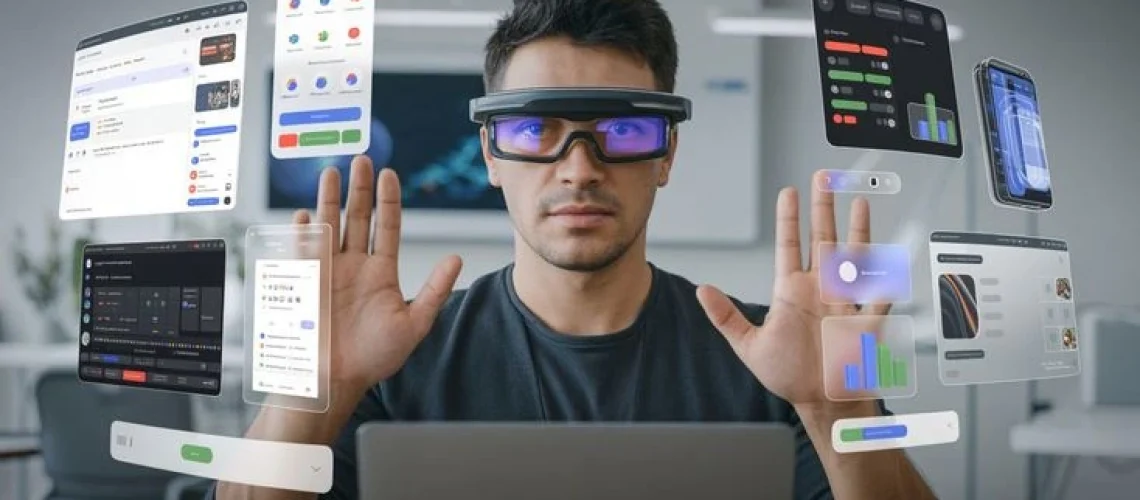
The internet is evolving rapidly, and websites are no longer limited to static pages or simple interactive elements. With the rise of Augmented Reality (AR) and Virtual Reality (VR), businesses are creating immersive digital experiences that engage users like never before. From virtual product demonstrations to interactive shopping and educational platforms, AR and VR are transforming the way people interact with websites.
As technology becomes more accessible and browsers continue to support immersive features, The Role of AR/VR in Future Website Experiences will become increasingly important for businesses looking to improve user engagement, increase conversions, and stand out in competitive markets.
What Are AR and VR?
Before understanding their impact on websites, it’s important to know the difference between these two technologies.
Augmented Reality (AR) overlays digital content onto the real world using smartphones, tablets, or AR glasses. It enhances the user’s physical environment with interactive elements.
Virtual Reality (VR) creates a completely immersive digital environment where users can explore virtual spaces using VR headsets or compatible devices.
While AR enhances reality, VR replaces it with a fully digital experience.
Why AR and VR Are Becoming Essential for Websites
Modern consumers expect more than text and images. They want personalized, engaging, and interactive experiences that help them make better purchasing decisions.
AR and VR provide websites with the ability to:
- Increase customer engagement
- Improve product understanding
- Reduce purchase hesitation
- Enhance user satisfaction
- Create memorable brand experiences
- Increase conversion rates
As internet speeds improve with 5G and hardware becomes more affordable, immersive website experiences are becoming practical for businesses of all sizes.
Enhanced Online Shopping Experiences
E-commerce is one of the biggest beneficiaries of AR and VR technology.
Instead of relying only on product images, customers can:
- Virtually try on glasses, makeup, or clothing
- Place furniture inside their homes before purchasing
- View products in full 3D
- Examine products from every angle
- Compare product sizes accurately
These experiences reduce uncertainty and help customers make confident purchasing decisions, leading to fewer returns and higher customer satisfaction.
Virtual Showrooms and Product Demonstrations
Businesses can create virtual showrooms that allow visitors to explore products from anywhere in the world.
For example:
- Car dealerships can offer virtual vehicle tours.
- Real estate companies can provide virtual property walkthroughs.
- Furniture brands can display complete room setups.
- Manufacturers can demonstrate complex machinery.
These immersive experiences provide far more value than traditional photo galleries.
Improved Customer Engagement
Interactive websites naturally keep visitors engaged for longer periods.
Instead of simply reading information, users actively participate by:
- Exploring 3D environments
- Interacting with products
- Playing interactive demonstrations
- Viewing immersive presentations
- Participating in virtual events
Longer engagement often leads to improved brand recognition and stronger customer relationships.
Better Learning and Training Experiences
Educational websites are increasingly adopting AR and VR to create realistic learning environments.
Students can:
- Explore historical landmarks
- Conduct virtual science experiments
- Learn anatomy using 3D human models
- Practice engineering simulations
- Experience interactive classroom lessons
Businesses also use VR websites for employee training, reducing costs while improving knowledge retention.
Revolutionizing the Real Estate Industry
Real estate websites no longer need to rely solely on photographs.
With VR integration, buyers can:
- Walk through homes virtually
- Explore every room
- Measure spaces visually
- Compare different layouts
- Visit multiple properties without travelling
This saves time for both buyers and property agents while improving the overall customer experience.
AR for Better Customer Decision-Making
One of the biggest reasons customers abandon purchases is uncertainty.
AR solves this problem by allowing users to visualize products in real-life environments.
Examples include:
- Trying paint colours on walls
- Viewing kitchen appliances in existing spaces
- Testing eyewear before purchasing
- Trying shoes virtually
- Previewing home décor items
This level of personalization significantly improves buying confidence.
Virtual Tourism and Travel Experiences
Travel websites are beginning to offer virtual destination previews.
Potential travellers can:
- Explore hotel rooms
- Visit tourist attractions
- Experience beaches and resorts
- Walk through museums
- Preview cruise ships
These immersive previews help customers make informed travel decisions and encourage bookings.
Healthcare and Medical Applications
Healthcare websites are also benefiting from AR and VR technologies.
Hospitals and clinics can offer:
- Virtual hospital tours
- Patient education using 3D models
- Surgical simulations
- Rehabilitation programs
- Interactive healthcare consultations
These experiences improve patient understanding while enhancing trust in healthcare providers.
Improved Brand Storytelling
Brands can create unforgettable digital experiences by combining storytelling with immersive technology.
Instead of simply describing products or services, businesses can immerse users in their brand journey through:
- Interactive timelines
- Virtual factory tours
- Product creation demonstrations
- Immersive brand experiences
- Behind-the-scenes exploration
This creates stronger emotional connections with customers.
Challenges of AR and VR Website Development
Although AR and VR offer exciting possibilities, businesses should consider several challenges.
Development Costs
Creating immersive experiences requires skilled developers, designers, and 3D artists, increasing project costs.
Device Compatibility
Not all users own VR headsets, although browser-based AR experiences are becoming increasingly accessible.
Performance Optimization
AR and VR content requires fast loading speeds and optimized assets to maintain a smooth user experience.
User Accessibility
Developers must ensure immersive websites remain accessible to users with disabilities and offer alternative navigation methods.
The Future of AR/VR in Website Experiences
As technology continues to evolve, immersive websites will become more common across industries.
Future websites may include:
- AI-powered virtual shopping assistants
- Fully interactive 3D websites
- Mixed reality collaboration spaces
- Virtual business meetings
- Personalized immersive experiences
- Browser-based metaverse integration
Businesses that adopt these technologies early will likely gain a competitive advantage by offering richer, more engaging customer experiences.
Best Practices for Businesses
Organizations planning to integrate AR or VR into their websites should focus on:
- Solving real customer problems rather than adding technology for novelty.
- Optimizing loading speed and overall website performance.
- Ensuring mobile compatibility for AR experiences.
- Maintaining intuitive navigation.
- Testing across multiple browsers and devices.
- Monitoring user behavior to refine immersive features over time.
The Role of AR/VR in Future Website Experiences is transforming how businesses connect with their audiences. By creating immersive, interactive, and personalized digital environments, AR and VR are changing customer expectations across industries including retail, real estate, healthcare, education, tourism, and manufacturing.
Although implementation requires investment and careful planning, the benefits—higher engagement, better customer experiences, improved conversion rates, and stronger brand loyalty—make AR and VR valuable technologies for the future of web development. As browser capabilities, internet speeds, and consumer adoption continue to grow, immersive website experiences will become a standard feature rather than an emerging trend.