

Websites play a major role in how users see a brand. A well-designed website builds trust, improves engagement, and supports business growth. As technology and user behavior change, web design continues to evolve. Modern websites focus on usability, speed, and clean visuals, supported by strong web development.
Below are the most important modern web design trends you should know to create effective and user-friendly websites.
Simple and Clean Design
Modern web design favors simplicity. Clean layouts, clear spacing, and focused content help users find information quickly. Too many elements can confuse visitors and reduce engagement.
Simple designs also benefit web development. Fewer design elements mean faster loading times and better performance across all devices.
Mobile-First Design
Most users now browse websites on mobile devices. Because of this, mobile-first design has become essential. Designers start with mobile layouts and then adapt them for tablets and desktops.
This approach improves usability and creates smoother navigation. From a web development perspective, mobile-first design results in cleaner code and faster websites.
Dark Mode and Strong Contrast
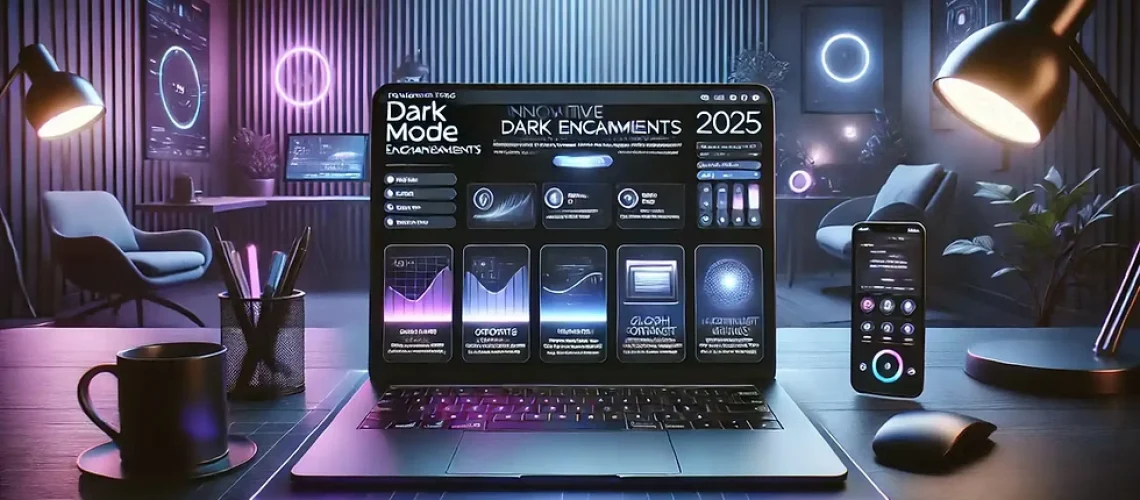
Dark mode is popular because it reduces eye strain and looks modern. Many websites now offer both light and dark viewing options.
When building dark mode, web design focuses on readability and balance. Web development ensures proper color contrast and smooth switching between modes without affecting performance.
Small Animations and Interactions
Microinteractions are small movements or effects that respond to user actions. Examples include hover effects, loading animations, or form feedback.
These features improve user experience by making websites feel more interactive. Modern web development uses lightweight animations to keep pages fast and responsive.
Clear Typography
Typography is more than just choosing a font. Modern web design uses bold headings, readable text, and strong visual hierarchy to guide users.
Good typography improves readability and helps users scan content easily. Combined with responsive web development, text stays clear on all screen sizes.
Accessible Design for Everyone
Accessibility is a key part of modern web design. Websites should be easy to use for people with different abilities.
This includes readable fonts, proper color contrast, and keyboard-friendly navigation. Web development teams follow accessibility standards to improve usability and reach a wider audience.
Fast Loading and Performance
Website speed affects both user experience and search rankings. Modern web design focuses on performance by reducing clutter and optimizing images.
Web development plays a major role in speed optimization through clean code, efficient frameworks, and smart loading techniques.
Personalized User Experience
Personalization is becoming more common in modern websites. Content can adapt based on user behavior, location, or preferences.
With advanced web development tools, websites can deliver tailored experiences that feel more relevant and engaging without overwhelming users.
Scroll-Based Layouts and Storytelling
Many modern websites use scrolling to tell a story. Smooth transitions, section-based layouts, and subtle effects keep users engaged as they scroll.
This trend combines creative web design with advanced web development to create immersive experiences without sacrificing performance.
Design Built for the Future
Modern web design is not just about current trends. It also focuses on long-term flexibility. Scalable layouts and reusable components make websites easier to update.
When web design and web development work together, websites remain adaptable, efficient, and ready for future changes.
Conclusion
Keeping up with modern web design trends helps create websites that are easy to use, visually appealing, and fast. Clean layouts, mobile-first design, accessibility, and performance are no longer optional.
By combining strong web design with reliable web development, businesses can build websites that meet user expectations and stay competitive in the digital world.