

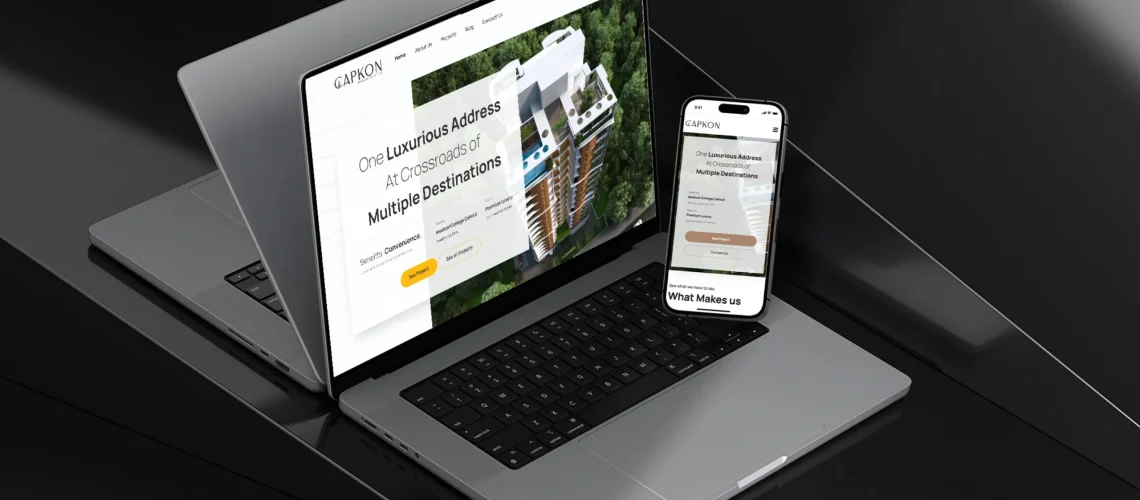
In today’s digital-first world, your website is often the very first interaction people have with your brand. Before a visitor reads your content, explores your services, or contacts your business, they form an opinion—often within seconds—based purely on how your website looks and feels. This is why understanding how website design influences brand perception is essential for any business aiming to build trust, credibility, and long-term customer relationships.
A well-crafted website doesn’t just display information; it communicates your brand’s values, professionalism, and reliability. From color schemes to navigation flow, every design choice plays a role in shaping how users perceive your brand.
First Impressions Matter More Than You Think
Studies consistently show that users form an opinion about a website in under a second. If your site appears outdated, cluttered, or confusing, visitors may immediately associate those qualities with your brand. On the other hand, a clean, modern, and intuitive layout creates a strong positive impression.
Effective web design ensures visual consistency across pages, helping users quickly understand who you are and what you stand for. Fonts, spacing, imagery, and layout all work together to convey professionalism and attention to detail—two traits that strongly influence brand trust.
Visual Identity and Brand Recognition
Your website is a key extension of your brand identity. Colors, typography, logos, and imagery should align seamlessly with your overall branding across social media, marketing materials, and offline channels.
When users encounter consistent visual elements, it reinforces brand recognition and builds familiarity. Over time, this familiarity turns into trust. Strategic web design choices help differentiate your brand from competitors and ensure your business is remembered long after visitors leave your site.
User Experience Shapes Brand Trust
A visually appealing website means little if it’s difficult to use. Navigation structure, page speed, mobile responsiveness, and readability all directly affect how users feel about your brand.
Smooth navigation and logical layouts show that you respect your users’ time. If visitors can easily find what they’re looking for, they’re more likely to view your brand as reliable and customer-focused. This is where web development plays a crucial role—ensuring the technical foundation supports a seamless user experience across devices and browsers.
Mobile-Friendly Design Builds Modern Credibility
With mobile devices accounting for a significant portion of web traffic, mobile-friendly design is no longer optional. A website that performs poorly on smartphones sends a clear negative message about your brand’s relevance and professionalism.
Responsive web design adapts layouts, images, and content to different screen sizes, ensuring a consistent experience everywhere. Brands that invest in mobile optimization are perceived as modern, forward-thinking, and attentive to user needs.
Loading Speed Influences Perceived Professionalism
Website speed is an often-overlooked aspect of brand perception. Slow-loading pages frustrate users and increase bounce rates, while fast websites feel efficient and trustworthy.
Optimized web development ensures clean code, compressed images, and efficient server performance. When a site loads quickly, users subconsciously associate that speed with competence and reliability—two qualities every brand wants to project.
Content Presentation Affects Credibility
How your content is displayed matters just as much as what it says. Clear headings, balanced white space, readable fonts, and structured layouts make content easier to consume and more engaging.
Well-designed content layouts signal authority and professionalism. Poor formatting, inconsistent fonts, or overcrowded pages can make even valuable information feel untrustworthy. Thoughtful web design helps your message land clearly and reinforces your brand’s expertise.
Emotional Connection Through Design
Design isn’t just functional—it’s emotional. Colors evoke feelings, images tell stories, and layouts guide attention. Warm tones can create comfort, bold visuals can convey innovation, and minimalist designs can signal sophistication.
When your website design aligns with your brand’s personality, it creates an emotional connection with users. This emotional response often determines whether visitors stay, return, or recommend your brand to others.
The Role of Web Development in Long-Term Brand Growth
Behind every polished website is solid web development. While web design focuses on appearance and user experience, web development ensures scalability, security, and performance.
A technically sound website supports future growth, integrates with marketing tools, and protects user data. Brands that invest in both design and development signal seriousness, stability, and long-term vision—qualities that positively shape brand perception.


