

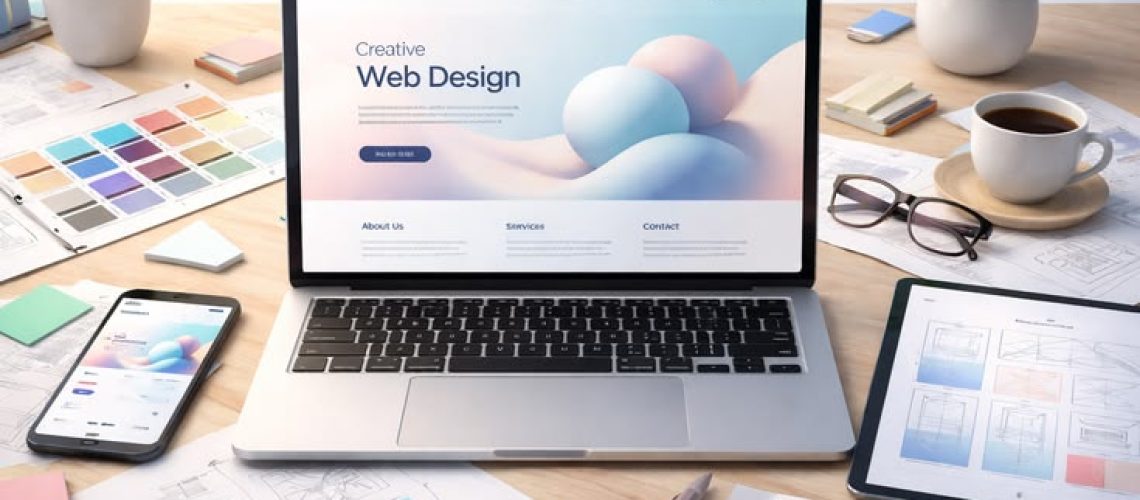
In today’s digital-first world, a website is often the first interaction between a business and its potential customers. Before reading a single word of content or exploring services, users subconsciously judge the credibility of a brand based on its website design. This makes How Web Design Impacts Customer Trust a critical topic for any business aiming to succeed online. A well-designed website does more than look attractive; it builds confidence, reduces doubt, and encourages users to engage further. On the other hand, poor design can instantly damage credibility and push visitors away, even if the business offers high-quality products or services.
First Impressions Matter More Than Ever
Research shows that users form an opinion about a website within seconds of landing on it. This first impression is heavily influenced by visual design elements such as layout, color scheme, typography, and imagery. If a website looks outdated, cluttered, or inconsistent, users may assume the business is unprofessional or unreliable.
In contrast, a clean, modern, and visually balanced design communicates professionalism. When discussing How Web Design Impacts Customer Trust, first impressions are the foundation. Users tend to associate good design with credibility, even before they evaluate the actual content or offerings. This psychological response highlights why businesses must invest in professional web design from the beginning.
User Experience Builds Confidence
User experience (UX) plays a major role in shaping trust. A website that is easy to navigate, fast to load, and intuitive to use creates a sense of reliability. When visitors can quickly find what they are looking for, they feel more comfortable engaging with the brand.
Poor navigation, broken links, confusing menus, or slow-loading pages create frustration. This frustration quickly translates into distrust. Users may assume that if a company cannot manage its website properly, it may not manage its services effectively either.
Therefore, How Web Design Impacts Customer Trust is deeply connected to usability. A smooth user experience reassures visitors that the business is organized, professional, and customer-focused.
Mobile Responsiveness Strengthens Credibility
With the majority of users browsing websites through mobile devices, responsive design is no longer optional. A mobile-friendly website automatically adjusts to different screen sizes, ensuring a seamless experience across smartphones, tablets, and desktops.
If a website is not optimized for mobile use, users often face distorted layouts, difficult navigation, and unreadable text. This immediately reduces trust and increases bounce rates. On the other hand, a responsive website shows that a business values all users equally, regardless of the device they use.
In understanding How Web Design Impacts Customer Trust, mobile responsiveness is a key factor that directly influences how modern users perceive a brand’s professionalism and reliability.
Visual Consistency Builds Brand Reliability
Consistency in design elements such as colors, fonts, spacing, and imagery helps establish a strong brand identity. When users see consistent design across all pages, they begin to recognize and remember the brand more easily. This familiarity builds trust over time.
Inconsistent design, however, creates confusion. If each page looks different or uses mismatched styles, users may feel uncertain about the legitimacy of the business. Consistency signals attention to detail, and attention to detail is closely associated with trustworthiness.
Thus, How Web Design Impacts Customer Trust can be clearly seen in how visual harmony strengthens brand recognition and reliability in the minds of users.
Security Signals Increase User Confidence
Security is another major factor influenced by web design. Features such as HTTPS encryption, trust badges, secure payment gateways, and clear privacy policies all contribute to a sense of safety.
A poorly designed website that lacks visible security indicators may make users hesitant to share personal information or make purchases. Even if the business is legitimate, the absence of trust signals can create doubt.
Good web design integrates security cues in a visible and reassuring way. This is an essential part of How Web Design Impacts Customer Trust, as users need to feel safe before they commit to any interaction or transaction.
Content Presentation Enhances Transparency
How content is presented also affects trust. Well-structured content with clear headings, readable fonts, and proper spacing improves comprehension and engagement. Users are more likely to trust information that is easy to read and logically organized.
Overly dense text, poor formatting, or confusing layouts can make content feel unreliable or unprofessional. In contrast, a well-designed layout communicates clarity and transparency, both of which are essential for building trust.
Therefore, How Web Design Impacts Customer Trust is not only about visuals but also about how effectively information is communicated to users.
Loading Speed Influences Perceived Reliability
Website speed plays a crucial role in shaping user perception. A slow-loading website can frustrate users and lead them to question the efficiency of the business. Many users associate speed with professionalism, assuming that a slow website reflects an unorganized company.
Optimized images, clean coding, and efficient hosting contribute to faster performance. A quick-loading website enhances user satisfaction and reinforces trust in the brand.
This makes performance optimization a vital component of How Web Design Impacts Customer Trust, as speed directly affects user confidence and retention.
Emotional Connection Through Design
Beyond functionality and structure, web design also influences emotions. Colors, visuals, and layout choices can evoke specific feelings such as comfort, excitement, or trust. For example, soft colors and balanced spacing often create a calming effect, while bold designs may convey energy and innovation.
When users feel emotionally comfortable on a website, they are more likely to stay longer and explore further. This emotional engagement strengthens trust and encourages conversions.
Understanding How Web Design Impacts Customer Trust requires recognizing that users do not only think logically; they also respond emotionally to design elements.
Web design is far more than aesthetics; it is a powerful tool for building customer trust. From first impressions and user experience to mobile responsiveness, security, and emotional design, every element plays a role in shaping how users perceive a brand.
Businesses that prioritize thoughtful and user-centered design are more likely to earn trust, retain visitors, and convert them into loyal customers. Ultimately, How Web Design Impacts Customer Trust lies in its ability to communicate professionalism, reliability, and care without saying a single word.