

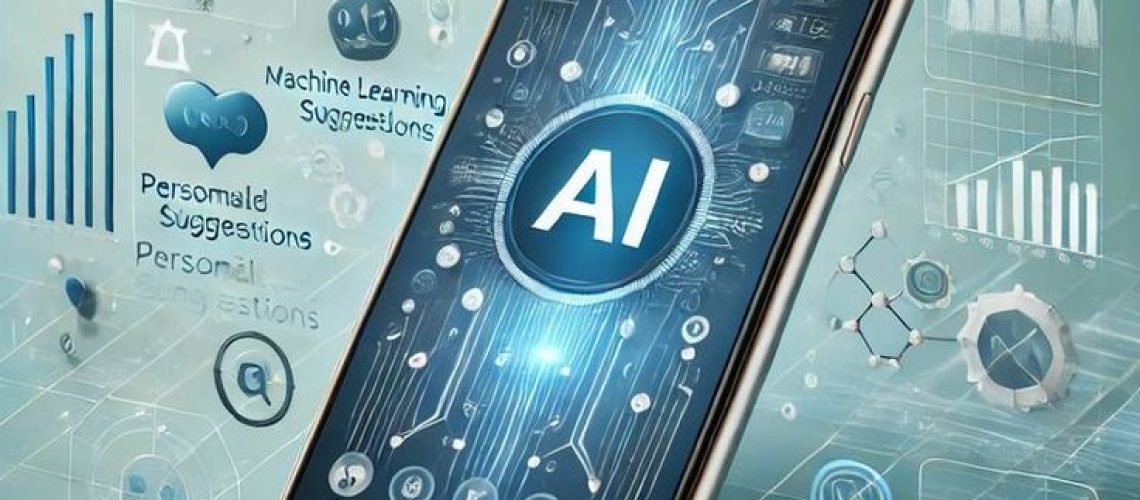
In today’s digital landscape, users expect experiences that are tailored to their needs and preferences. Generic digital interactions are quickly being replaced by personalized experiences that adapt to individual behaviors and interests. One of the most powerful platforms driving this change is mobile technology. Understanding how mobile apps enable personalization helps businesses deliver better user experiences, increase engagement, and build stronger customer relationships.
Mobile apps have access to a variety of user data, device features, and behavioral insights. By analyzing this information, apps can create customized experiences that make interactions more relevant and meaningful for each user.
What Is Personalization in Mobile Apps?
Personalization in mobile apps refers to the process of tailoring content, features, recommendations, and notifications based on individual user preferences and behavior.
Instead of providing the same experience to every user, mobile apps adjust their interface and content according to each person’s interests, usage patterns, and needs.
Understanding how mobile apps enable personalization reveals how businesses can improve user satisfaction while making apps more engaging and useful.
Examples of personalization include:
Customized product recommendations
Personalized content feeds
Location-based services
Tailored push notifications
These features help users feel that the app understands their needs and preferences.
User Data and Behavior Analysis
One of the primary ways how mobile apps enable personalization is through data collection and behavioral analysis.
Mobile apps gather insights from user activities such as:
Search history
App navigation patterns
Purchase behavior
Interaction with features
By analyzing this information, apps can identify patterns and predict user preferences. For example, an e-commerce app may recommend products based on previous purchases or browsing behavior.
This data-driven approach ensures that users receive content and suggestions that are relevant to their interests.
AI and Machine Learning for Smart Personalization
Artificial intelligence and machine learning technologies play a major role in enhancing personalization in mobile apps.
AI systems can analyze large amounts of data and identify trends that help apps make intelligent recommendations. These systems continuously learn from user behavior and improve suggestions over time.
For example, streaming apps recommend movies or music based on past viewing habits, while shopping apps suggest products that match user preferences.
This advanced technology demonstrates how how mobile apps enable personalization through predictive algorithms and smart automation.
Location-Based Personalization
Mobile devices include GPS technology that allows apps to provide location-based services. This capability is another key factor in how mobile apps enable personalization.
Location data enables apps to deliver customized experiences such as:
Nearby store recommendations
Local event notifications
Region-specific promotions
Navigation assistance
For example, travel apps can recommend attractions based on a user’s current location, while food delivery apps show restaurants available in nearby areas.
Location-based personalization makes apps more practical and convenient for everyday use.
Personalized Push Notifications
Push notifications are one of the most powerful engagement tools in mobile applications. When used effectively, they provide timely and relevant information that encourages users to return to the app.
Personalized notifications may include:
Special offers based on user preferences
Reminders related to previous activity
Alerts for new content matching user interests
Updates tailored to individual behavior
Instead of sending generic notifications to all users, apps deliver targeted messages that feel relevant and helpful.
This targeted communication highlights another example of how mobile apps enable personalization and improve user engagement.
Customizable User Interfaces
Another important aspect of personalization is allowing users to customize their own experience within an app.
Many mobile applications allow users to:
Choose themes or display settings
Customize dashboards
Select preferred categories
Organize content according to interests
These customization options give users control over their digital experience and create a sense of ownership.
Flexible interface design demonstrates how how mobile apps enable personalization by adapting to different user preferences.
Personalized Content Recommendations
Content-based platforms such as news apps, entertainment apps, and learning platforms rely heavily on personalized recommendations.
By analyzing user interests, reading patterns, and engagement history, apps can deliver content that aligns with user preferences.
Examples include:
News articles related to user interests
Educational content based on learning progress
Entertainment recommendations based on viewing habits
This content filtering system ensures that users see the most relevant information without searching through large amounts of unrelated material.
Improving Customer Engagement and Retention
Personalization significantly improves user engagement. When users receive relevant recommendations and meaningful experiences, they are more likely to continue using the app.
Benefits of personalized mobile experiences include:
Higher user satisfaction
Increased time spent in the app
Improved customer retention
Stronger brand loyalty
Understanding how mobile apps enable personalization helps businesses create stronger connections with users and maintain long-term engagement.
Privacy and Responsible Data Use
While personalization relies on user data, it is essential for apps to prioritize privacy and data security.
Responsible personalization includes:
Transparent data collection policies
Secure storage of user information
Clear consent from users
Options for users to manage data preferences
Respecting user privacy builds trust and ensures that personalization strategies are both ethical and effective.
The Future of Mobile App Personalization
Mobile personalization continues to evolve as technology advances. Emerging innovations will further enhance how apps tailor experiences to individual users.
Future trends may include:
Voice-based personalized interactions
Predictive user behavior modeling
Augmented reality experiences
Hyper-personalized recommendations using AI
As mobile technology becomes more advanced, the role of personalization will continue to grow in importance.
Understanding how mobile apps enable personalization reveals the powerful role that mobile technology plays in shaping modern digital experiences. By analyzing user behavior, leveraging AI, utilizing location data, and delivering customized content, mobile apps create interactions that feel relevant and engaging.
Personalization not only improves user satisfaction but also strengthens business growth through higher engagement and customer loyalty. As technology continues to advance, personalized mobile experiences will become an even more essential part of the digital ecosystem.