

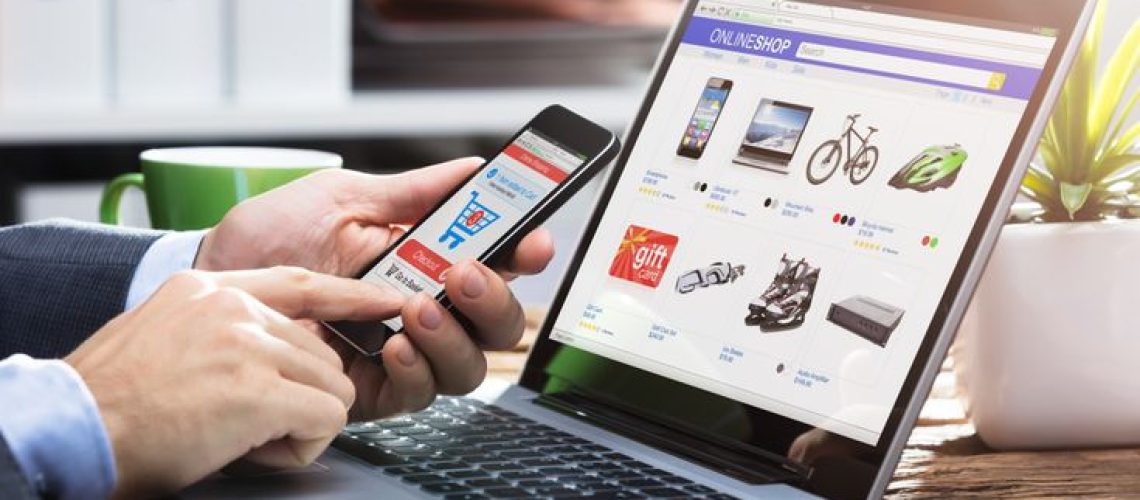
Mobile shopping has become an important part of the modern e-commerce experience. Customers increasingly use smartphones to discover products, compare options, place orders, make payments, and track deliveries. For businesses, a dedicated mobile application can provide a convenient way to connect with customers while creating a more personalized and engaging shopping experience. Mobile Apps for E-commerce Businesses can support sales, customer engagement, brand visibility, and long-term business growth.
Creating a Convenient Shopping Experience
A major advantage of an e-commerce mobile app is convenience. Customers can browse products and services directly from their smartphones without needing to open a browser and search for a website every time.
A well-designed app can provide simple navigation, organized product categories, search functionality, shopping carts, wish lists, and secure checkout options. When these features are easy to access, customers can complete purchases with fewer steps.
Mobile apps can also remember certain user preferences, making repeat shopping more convenient and reducing the effort required to find frequently purchased products.
Improving Customer Engagement
Mobile applications provide businesses with additional opportunities to communicate with customers. Features such as push notifications can be used to inform users about new products, order updates, special offers, and other relevant information.
Unlike traditional promotional methods, app notifications can reach customers directly on their mobile devices. However, businesses should use notifications carefully and provide useful information rather than sending excessive promotional messages.
Regular and relevant communication can help keep a brand connected with customers and encourage repeat visits.
Supporting Personalized Shopping
Personalization is becoming increasingly important in e-commerce. Customers often expect shopping platforms to provide recommendations that match their interests and previous activity.
An e-commerce app can use customer preferences, browsing patterns, purchase history, and saved items to create a more personalized experience. For example, users may receive product recommendations based on items they previously viewed or purchased.
Personalized experiences can make product discovery easier and help customers find relevant products more quickly.
Providing Faster Access
Mobile apps can provide direct access to an online store through an icon on a customer’s device. Users do not need to remember a website address or repeatedly search for the business online.
Depending on the app’s architecture, certain elements can also be optimized for faster loading and smoother interaction. A responsive and well-developed application can make browsing and purchasing more convenient, particularly for returning customers.
Performance remains important because slow or difficult-to-use applications can discourage users from completing purchases.
Simplifying the Checkout Process
A complicated checkout process can lead to abandoned shopping carts. Mobile apps can be designed to make purchasing simpler by storing appropriate preferences and reducing unnecessary steps.
Customers may be able to save delivery information, preferred payment methods, or frequently used addresses, subject to appropriate security and privacy controls. This can make repeat purchases faster.
Secure payment gateway integration can also allow businesses to offer multiple payment options while maintaining a convenient checkout experience.
Building Stronger Brand Loyalty
A dedicated mobile app can help businesses create a stronger connection with their customers. The app becomes a direct channel through which customers interact with the brand.
Businesses can introduce loyalty programs, reward points, personalized offers, membership benefits, and exclusive promotions through the application. These features can encourage customers to return and make additional purchases.
A consistent visual design, simple navigation, and reliable service can further strengthen the overall brand experience.
Improving Order Management
E-commerce apps can provide customers with greater visibility after a purchase. Users may be able to view order confirmations, shipping information, delivery updates, and purchase history from within the app.
This reduces the need for customers to contact support for basic order information. At the same time, businesses can improve transparency and provide a more organized post-purchase experience.
Order tracking can be especially valuable for businesses managing frequent deliveries or multiple shipping stages.
Supporting Business Analytics
Mobile applications can also provide useful insights into customer behavior. Businesses can analyze information such as product views, purchases, search activity, cart interactions, and engagement with promotions.
These insights can help businesses understand which products perform well and where customers may be leaving the purchasing process. With appropriate privacy practices, analytics can support better decisions related to marketing, product selection, and customer experience.
Data-driven insights can help businesses continuously improve their e-commerce strategy.
Connecting With Other Business Systems
Modern e-commerce applications often need to communicate with other software platforms. APIs can connect mobile apps with inventory systems, customer relationship management platforms, payment gateways, shipping services, analytics tools, and other business systems.
For example, when a customer places an order through an app, the information can be shared with inventory and order-management systems. This can help businesses maintain accurate product availability and process orders more efficiently.
These integrations allow mobile applications to become part of a larger digital ecosystem rather than operating as isolated platforms.
Enhancing Customer Support
Customer support is another area where mobile apps can provide value. Businesses can integrate live chat, help centers, frequently asked questions, contact forms, or support ticket systems into their applications.
Customers can access assistance without leaving the app. Businesses can also use order information and customer account details to provide more relevant support.
A convenient support experience can help resolve issues more efficiently and contribute to customer satisfaction.
Mobile Apps for E-commerce Businesses can provide significant benefits by improving shopping convenience, customer engagement, personalization, checkout, order tracking, loyalty, and business analytics. A well-designed application can give customers a direct and reliable way to interact with an online store while helping businesses build stronger digital relationships.
Successful e-commerce apps require more than attractive interfaces. They need secure payment systems, reliable integrations, strong performance, user-friendly navigation, effective data management, and ongoing maintenance. When these elements work together, a mobile app can become a valuable part of an e-commerce strategy and support sustainable business growth.