

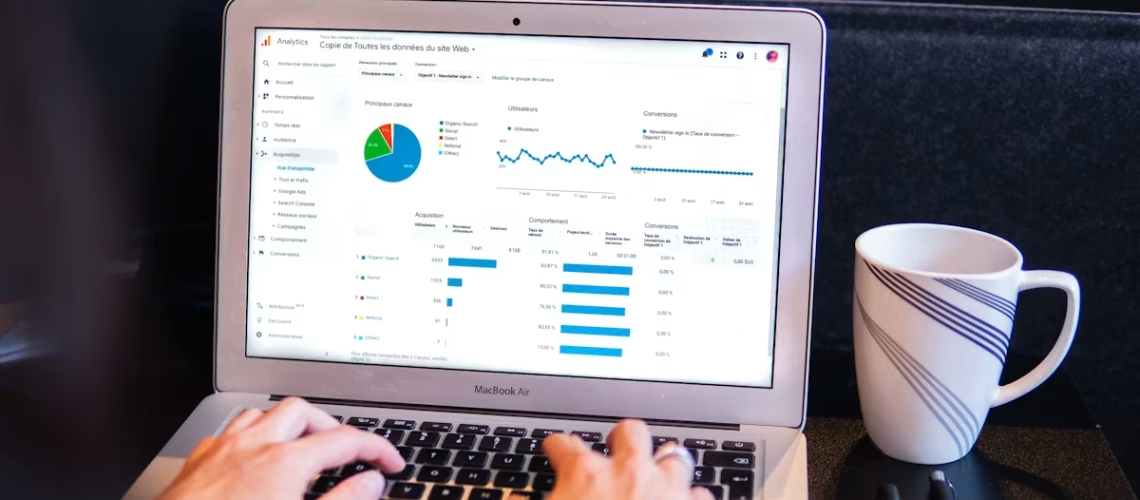
A website is one of the most valuable assets for any business, but simply launching a website is not enough to achieve online success. To attract visitors, engage users, and generate conversions, businesses need to understand how their websites are performing. This is where analytics become essential. How Analytics Help Improve Website Performance is an important topic for organizations that want to make informed decisions, enhance user experiences, and maximize their digital marketing efforts. By analyzing website data, businesses can identify strengths, uncover weaknesses, and continuously optimize their websites for better results.
Website analytics provide valuable insights into visitor behavior, traffic sources, content performance, and conversion rates. Instead of relying on assumptions, businesses can use real data to improve every aspect of their online presence.
What Are Website Analytics?
Website analytics refers to the process of collecting, measuring, and analyzing data related to website visitors and their interactions. Analytics tools provide detailed reports that help businesses understand how users find, navigate, and engage with their websites.
Common information collected through website analytics includes:
- Number of visitors
- Page views
- Session duration
- Traffic sources
- User locations
- Device types
- Bounce rate
- Conversion rate
These insights allow businesses to make data-driven improvements that enhance website performance.
Why Website Analytics Matter
Every visitor interaction generates useful information. Analytics transform this information into actionable insights that help businesses improve their websites.
Website analytics help organizations:
- Understand customer behavior
- Measure marketing effectiveness
- Improve user experience
- Increase conversions
- Identify technical issues
- Support business growth
Without analytics, businesses may struggle to identify the factors affecting website performance.
Understanding Visitor Behavior
One of the biggest advantages of analytics is understanding how visitors interact with a website.
Businesses can learn:
- Which pages receive the most traffic
- How long users stay on each page
- Where visitors leave the website
- Which content attracts the most engagement
- What devices visitors use
These insights help businesses optimize website layouts, improve navigation, and create more engaging content.
Measuring Website Traffic Sources
Analytics reveal where website visitors come from, allowing businesses to evaluate their marketing efforts.
Traffic sources typically include:
- Organic search
- Direct visits
- Social media
- Paid advertising
- Email campaigns
- Referral websites
Understanding traffic sources helps businesses allocate marketing budgets more effectively and focus on channels that generate the best results.
Improving User Experience
User experience plays a major role in website success.
Analytics can identify:
- Slow-loading pages
- High bounce rates
- Navigation difficulties
- Low-performing content
- Exit pages
By resolving these issues, businesses create a smoother browsing experience that encourages visitors to stay longer and explore more pages.
Supporting Search Engine Optimization
Analytics provide valuable SEO insights that help improve search engine rankings.
Businesses can monitor:
- Organic traffic growth
- Top-performing keywords
- Landing page performance
- User engagement
- Click-through rates
- Mobile performance
These metrics help refine SEO strategies and improve online visibility.
Increasing Conversion Rates
Website analytics help businesses understand how visitors move through the conversion process.
Whether the goal is to generate leads, complete purchases, or encourage contact form submissions, analytics identify areas where users may abandon the journey.
Businesses can optimize:
- Landing pages
- Calls to action
- Contact forms
- Checkout processes
- Product pages
Even small improvements can significantly increase conversion rates.
Tracking Business Goals
Analytics allow businesses to measure progress toward specific objectives.
Common goals include:
- Online purchases
- Newsletter sign-ups
- Appointment bookings
- File downloads
- Contact requests
- Product inquiries
Tracking these goals helps organizations evaluate success and make informed improvements.
Identifying Technical Issues
Technical problems can negatively affect website performance and user satisfaction.
Analytics help identify:
- Broken pages
- Slow loading times
- Mobile usability issues
- Browser compatibility problems
- High exit pages
- Server performance concerns
Addressing technical issues improves both user experience and search engine performance.
Understanding Mobile Performance
A significant percentage of website traffic now comes from smartphones and tablets.
Analytics provide insights into:
- Mobile traffic
- Device types
- Screen sizes
- Mobile conversion rates
- User engagement across devices
These insights help businesses optimize websites for responsive performance on every device.
Measuring Content Performance
Content plays a central role in attracting and engaging visitors.
Analytics help determine:
- Most visited blog posts
- Popular service pages
- Time spent on content
- Social shares
- Internal link performance
Businesses can use this information to create more valuable content that meets audience needs.
Improving Marketing Campaigns
Digital marketing campaigns perform better when supported by analytics.
Businesses can evaluate:
- Advertising performance
- Email marketing results
- Social media engagement
- Campaign conversions
- Return on investment
Real-time data allows marketers to adjust campaigns quickly for better outcomes.
Using Analytics for Continuous Improvement
Website optimization is an ongoing process rather than a one-time task.
Businesses should regularly:
- Review website reports
- Monitor performance metrics
- Test new ideas
- Improve content
- Optimize navigation
- Enhance page speed
- Update SEO strategies
Continuous analysis ensures that websites remain competitive and aligned with changing user expectations.
Best Practices for Website Analytics
To maximize the value of analytics, businesses should follow several best practices:
- Define clear business goals.
- Monitor key performance indicators (KPIs).
- Review reports consistently.
- Focus on user behavior.
- Test improvements using A/B testing.
- Optimize for mobile users.
- Improve website speed.
- Make data-driven decisions.
Following these practices helps businesses achieve long-term digital success.
The Future of Website Analytics
Website analytics continue to evolve with advancements in artificial intelligence, machine learning, and predictive analytics. Modern analytics platforms are becoming more capable of identifying trends, forecasting customer behavior, and providing automated recommendations.
As privacy regulations and user expectations change, businesses will also focus on collecting first-party data responsibly while maintaining transparency and trust. Organizations that embrace advanced analytics will be better equipped to improve website performance, personalize user experiences, and make smarter strategic decisions.