

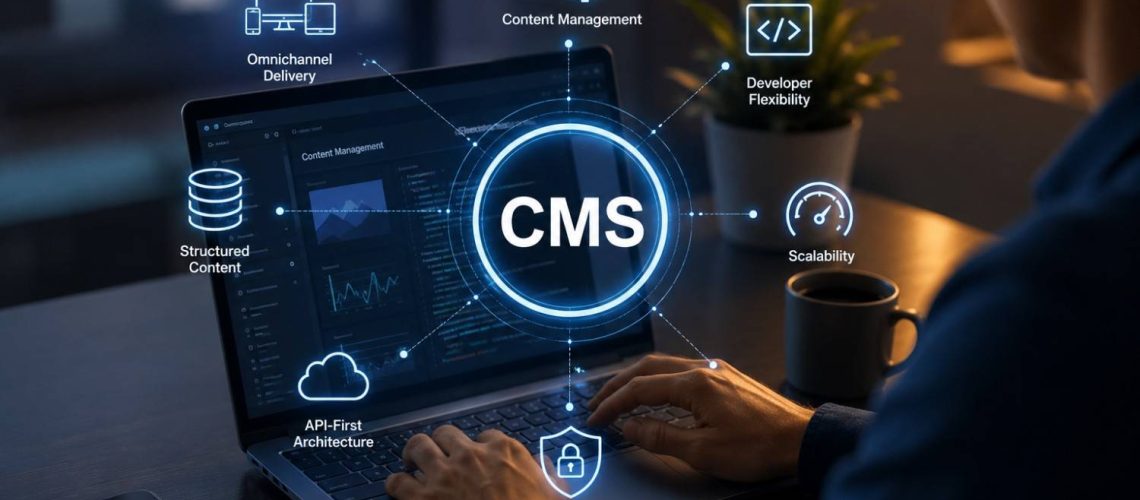
The Benefits of Headless CMS for Growing Businesses have become increasingly important as companies seek flexible, scalable, and future-ready digital solutions. Traditional content management systems have served businesses well for years, but modern organizations require faster content delivery, seamless omnichannel experiences, and the ability to adapt to changing customer expectations. A headless CMS separates the content management backend from the frontend presentation layer, allowing businesses to publish content across websites, mobile applications, smart devices, and other digital platforms from a single source.
For growing businesses, digital transformation is no longer optional. Customers expect personalized experiences, fast-loading websites, and consistent branding across every touchpoint. A headless CMS provides the technological foundation needed to meet these expectations while giving developers and marketers greater flexibility. Whether a business is expanding its online presence, launching mobile apps, or entering new markets, adopting a headless CMS can significantly improve efficiency and long-term scalability.
Understanding Headless CMS
A headless CMS is a content management system that focuses solely on storing and managing content. Unlike traditional CMS platforms that combine content management with website presentation, a headless CMS delivers content through APIs. This allows developers to create custom frontends using modern frameworks while marketers continue managing content from an intuitive dashboard.
Because the frontend and backend are separated, businesses gain greater freedom to design unique digital experiences without being restricted by predefined templates or themes.
Enhanced Flexibility for Digital Growth
One of the biggest advantages of a headless CMS is flexibility. Growing businesses often need to launch new websites, microsites, mobile applications, and digital platforms quickly. A headless CMS enables organizations to reuse the same content across multiple channels without duplicating work.
Instead of recreating content for each platform, businesses can publish it once and distribute it wherever customers interact with their brand. This flexibility reduces development time while ensuring consistency across every customer touchpoint.
As businesses expand into new markets, adding additional digital channels becomes much easier with a headless architecture.
Faster Website Performance
Website speed has become one of the most important factors influencing user experience and search engine rankings. Traditional CMS platforms often rely on numerous plugins and server-side processing, which can slow down website performance.
A headless CMS allows developers to build lightweight, high-performance websites using modern frontend technologies. Content is delivered efficiently through APIs, resulting in faster loading times and improved responsiveness.
Faster websites offer several benefits, including:
- Better user experience
- Lower bounce rates
- Improved SEO performance
- Higher customer engagement
- Increased conversion rates
For growing businesses, every second saved during page loading can positively impact customer satisfaction and revenue.
Improved Scalability
As businesses grow, their digital infrastructure must keep pace with increasing traffic, expanding product catalogs, and larger content libraries. A headless CMS is designed to scale efficiently without requiring complete system overhauls.
Organizations can easily manage thousands of pages, multilingual content, multiple websites, and mobile applications from a centralized platform. This scalability makes headless CMS solutions ideal for businesses planning long-term growth.
Whether serving hundreds or millions of users, businesses can maintain consistent performance while continuing to expand their digital presence.
Better Omnichannel Content Delivery
Modern customers interact with brands through numerous channels, including:
- Websites
- Mobile apps
- Smart TVs
- Digital kiosks
- Smartwatches
- Voice assistants
- Social media platforms
A headless CMS enables businesses to publish the same content across all these platforms from a single content repository.
This omnichannel approach ensures customers receive consistent messaging regardless of where they engage with the brand. Marketing teams also save significant time because content only needs to be updated once.
Greater Developer Freedom
Developers often face limitations when working with traditional CMS platforms. Themes, plugins, and predefined structures can restrict creativity and slow development.
A headless CMS removes these limitations by allowing developers to use their preferred programming languages, frameworks, and frontend technologies.
Popular frontend frameworks include React, Vue.js, Angular, Next.js, and Nuxt.js. Developers can build highly customized digital experiences while integrating the CMS seamlessly into existing technology stacks.
This flexibility accelerates development and supports continuous innovation.
Easier Integration with Business Systems
Growing businesses rely on multiple software solutions such as:
- CRM systems
- ERP platforms
- Marketing automation tools
- E-commerce platforms
- Analytics software
- Customer support systems
A headless CMS integrates easily with these applications through APIs. This creates a connected digital ecosystem where data flows efficiently between systems.
For example, product information can automatically sync with an online store, while customer data can integrate with marketing campaigns to deliver personalized experiences.
These integrations improve operational efficiency while reducing manual work.
Improved Content Management
Content teams benefit significantly from the streamlined workflow offered by a headless CMS. Editors can organize, update, and publish content without worrying about design or technical limitations.
Content can be structured into reusable components such as:
- Product descriptions
- Blog articles
- Testimonials
- FAQs
- Images
- Videos
- Landing page sections
This modular approach reduces duplication and simplifies content updates across multiple platforms.
Marketing teams can focus on creating engaging content while developers concentrate on building exceptional user experiences.
Stronger Security
Security becomes increasingly important as businesses grow and handle more customer data.
Traditional CMS platforms often rely on numerous plugins that may introduce vulnerabilities. Since a headless CMS separates content management from the presentation layer, there are fewer attack points for hackers.
API-based architecture also allows businesses to implement modern authentication methods, encryption, and security controls more effectively.
This improved security helps protect customer information while reducing cybersecurity risks.
Future-Proof Technology
Technology evolves rapidly, and businesses need systems that can adapt to future innovations.
A headless CMS allows organizations to replace or upgrade frontend technologies without affecting the content management system. Businesses can adopt new frameworks, devices, and digital platforms as they emerge while keeping their existing content intact.
This future-ready architecture protects long-term technology investments and minimizes costly migrations.
Cost Efficiency Over Time
Although implementing a headless CMS may require an initial investment, the long-term savings are substantial.
Businesses benefit from:
- Reduced maintenance costs
- Faster development cycles
- Lower content duplication
- Simplified updates
- Better resource utilization
- Increased operational efficiency
These savings become even more significant as organizations expand their digital operations.