

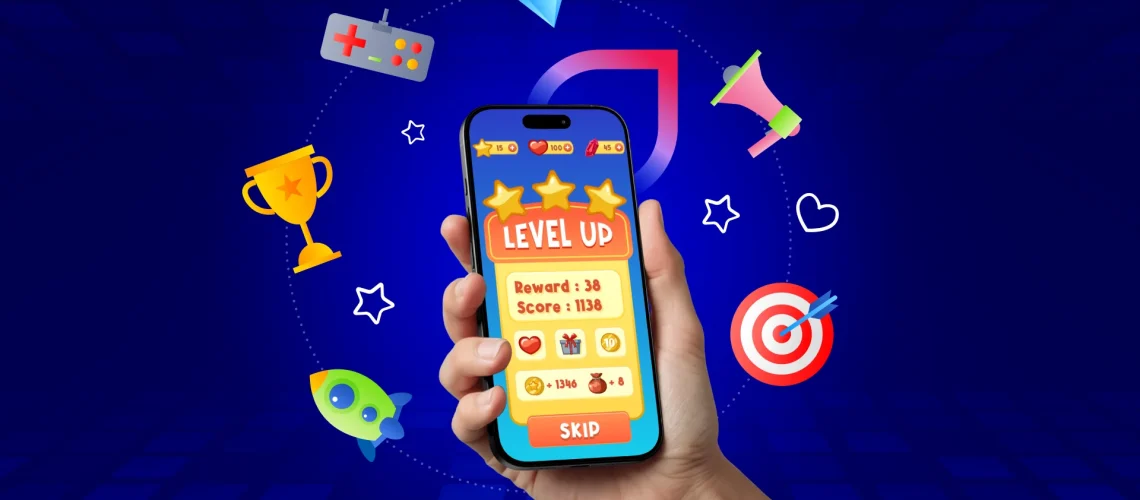
Mobile applications have become an essential part of daily life, offering services ranging from shopping and education to fitness and entertainment. As competition in the mobile app industry continues to grow, developers and businesses constantly look for innovative ways to keep users engaged. One of the most effective strategies is gamification. Understanding how to incorporate gamification in mobile apps can help businesses improve user retention, increase interaction, and create a more enjoyable digital experience.
Gamification refers to the use of game-like elements in non-gaming environments. By adding rewards, challenges, achievements, and interactive features, mobile apps can motivate users to stay active and engaged. When implemented effectively, gamification transforms ordinary app experiences into exciting and rewarding journeys.
Understanding Gamification in Mobile Apps
Gamification uses psychological triggers such as achievement, competition, and rewards to encourage user participation. Mobile apps integrate these elements to make tasks more enjoyable and engaging.
The main goal of gamification is to motivate users to complete actions, return regularly, and spend more time within the application. Successful gamification strategies create a sense of progress and accomplishment that encourages continuous interaction.
Businesses across industries use gamification to improve customer loyalty, learning experiences, fitness tracking, and productivity.
Benefits of Gamification in Mobile Apps
Before exploring how to incorporate gamification in mobile apps, it is important to understand its advantages. Gamification offers several benefits that positively impact both users and businesses.
Improved User Engagement
Interactive elements keep users interested and encourage regular participation. Gamified apps often create emotional connections that make users more likely to continue using the application.
Increased User Retention
Users are more likely to return to an app when they receive rewards, complete challenges, or track achievements. Gamification encourages long-term usage by providing ongoing incentives.
Enhanced User Experience
Gamified experiences make apps more entertaining and enjoyable. Simple tasks become more interactive, helping users remain motivated.
Stronger Brand Loyalty
Reward systems and personalized experiences help build customer loyalty. Users who feel recognized and rewarded are more likely to trust and support the brand.
Better Learning and Productivity
Educational and productivity apps use gamification to improve focus and encourage consistent progress. Interactive learning methods can increase motivation and knowledge retention.
Setting Clear Goals for Gamification
An effective gamification strategy starts with clear objectives. Businesses should determine what actions they want users to take within the app.
Goals may include:
- Increasing daily app usage
- Encouraging purchases
- Improving customer retention
- Promoting content sharing
- Motivating users to complete tasks
- Enhancing learning experiences
Defining clear goals helps developers design gamification features that align with business objectives and user expectations.
Using Reward Systems
Rewards are one of the most common gamification techniques in mobile apps. Users feel motivated when they receive recognition for completing actions or achieving milestones.
Popular reward systems include:
- Points
- Badges
- Virtual currency
- Achievement certificates
- Unlockable content
- Loyalty rewards
Reward systems should provide meaningful value while encouraging users to continue interacting with the app.
Adding Progress Tracking Features
Progress tracking gives users a sense of accomplishment and encourages continued participation. Visual indicators help users see how far they have progressed and what goals remain.
Examples of progress tracking features include:
- Progress bars
- Level systems
- Milestone tracking
- Daily streak counters
- Completion percentages
These features motivate users by making achievements visible and rewarding.
Implementing Challenges and Missions
Challenges and missions make mobile apps more interactive by giving users specific objectives to complete. These tasks create excitement and encourage regular engagement.
Challenges may be:
- Daily activities
- Weekly goals
- Timed tasks
- Skill-based achievements
- Community competitions
Providing achievable yet engaging challenges helps maintain user interest over time.
Incorporating Leaderboards
Leaderboards introduce friendly competition among users. Competitive features encourage users to improve performance and remain active within the app.
Leaderboards work especially well in:
- Fitness applications
- Educational platforms
- Productivity apps
- Social communities
- E-commerce loyalty programs
Competition should remain positive and motivating rather than discouraging. Offering multiple achievement categories can help users feel included regardless of skill level.
Personalizing the User Experience
Personalization improves the effectiveness of gamification by making experiences more relevant to individual users. Customized rewards, challenges, and recommendations create stronger emotional engagement.
Mobile apps can personalize gamification through:
- User behavior tracking
- Preference-based recommendations
- Customized achievements
- Personalized notifications
- Adaptive difficulty levels
Personalized experiences make users feel valued and increase overall satisfaction.
Using Social Interaction Features
Social connectivity adds another layer of engagement to gamified mobile apps. Users often enjoy sharing achievements, competing with friends, and participating in communities.
Social gamification features may include:
- Sharing achievements on social media
- Inviting friends
- Multiplayer challenges
- Community events
- Team-based competitions
Social interaction encourages organic growth and improves user engagement through collaboration and competition.
Designing an Attractive User Interface
Visual design plays an important role in gamification success. Attractive animations, engaging graphics, and intuitive layouts help create immersive experiences.
A gamified app interface should include:
- Clear visual feedback
- Interactive animations
- Engaging icons and graphics
- Smooth transitions
- Easy navigation
A well-designed interface enhances the emotional impact of gamification elements.
Maintaining Balance in Gamification
While gamification improves engagement, excessive game mechanics can overwhelm users. Developers should focus on creating meaningful interactions rather than adding unnecessary complexity.
Effective gamification maintains a balance between entertainment and usability. Features should support the app’s primary purpose without distracting users from core functions.
Simple and intuitive gamification elements often produce better long-term results than overly complicated systems.
Analyzing User Behavior and Performance
Monitoring user activity helps businesses understand which gamification features are most effective. Analytics provide valuable insights into engagement patterns and user preferences.
Key performance indicators may include:
- User retention rates
- Session duration
- Daily active users
- Task completion rates
- Reward redemption frequency
Regular analysis allows developers to improve gamification strategies and optimize user experiences over time.
Future Trends in Mobile App Gamification
Gamification continues to evolve with advancements in technology. Emerging trends are making mobile app experiences even more interactive and immersive.
Future gamification trends include:
- Augmented reality experiences
- Artificial intelligence personalization
- Blockchain-based rewards
- Virtual reality integration
- Advanced social engagement systems
Businesses that adopt innovative gamification strategies can remain competitive and attract modern mobile users.
Learning how to incorporate gamification in mobile apps is essential for businesses seeking to improve engagement, retention, and customer satisfaction. By integrating rewards, challenges, leaderboards, progress tracking, and personalized experiences, mobile applications can create more interactive and enjoyable user journeys.
Gamification transforms routine interactions into motivating experiences that encourage users to stay connected with the app. When designed thoughtfully, gamification not only enhances entertainment value but also supports business growth and long-term customer loyalty.