

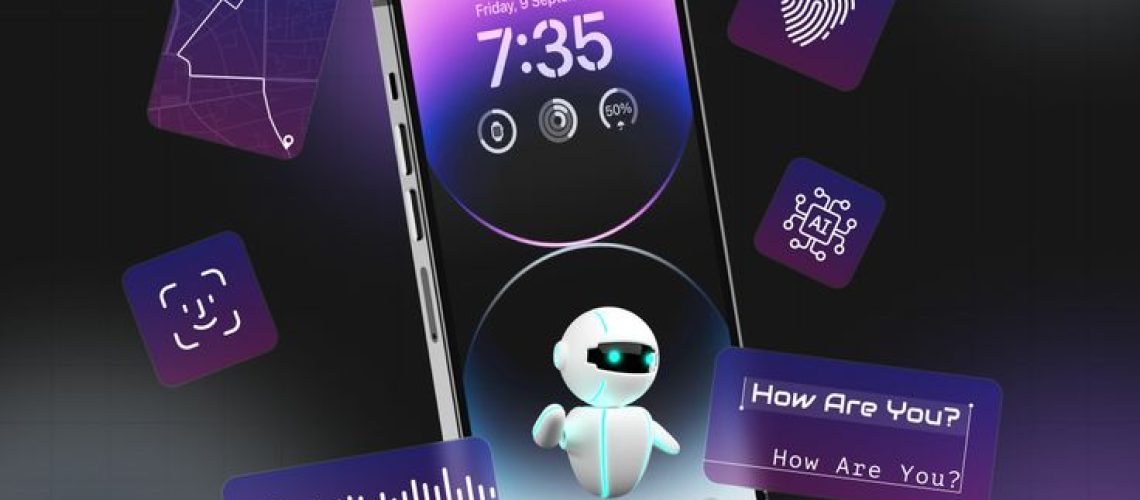
Mobile applications have become an essential part of modern life. From communication and shopping to entertainment and banking, mobile apps are transforming how people interact with technology. As digital innovation continues to evolve, developers and businesses must stay updated with the latest advancements in the industry. Understanding the Mobile App Development Trends to Watch can help companies create smarter, faster, and more user-friendly applications.
In recent years, new technologies such as artificial intelligence, 5G connectivity, and cross-platform frameworks have significantly influenced the future of mobile app development. These trends are shaping how developers design, build, and maintain mobile applications.
Artificial Intelligence and Machine Learning Integration
Artificial Intelligence (AI) and Machine Learning (ML) are among the most influential trends in mobile app development. These technologies allow apps to learn from user behavior, personalize experiences, and provide intelligent recommendations.
Modern mobile applications use AI for features such as chatbots, voice assistants, predictive search, and automated customer support. AI-powered personalization helps businesses deliver tailored content to users, improving engagement and retention. According to industry reports, a large percentage of future app interactions are expected to be driven by AI technologies.
AI also assists developers by offering automated code suggestions, testing tools, and performance optimization features, which help reduce development time and improve app quality.
Rise of Cross-Platform Development
Cross-platform development is another major trend shaping the mobile app industry. Instead of building separate applications for Android and iOS, developers now use frameworks that allow them to create apps for multiple platforms using a single codebase.
Popular frameworks like Flutter, React Native, and Kotlin Multiplatform enable developers to build high-performance apps that work across different devices. This approach reduces development costs and speeds up the app launch process.
Many businesses prefer cross-platform solutions because they help reach a wider audience while maintaining consistent design and functionality. Reports show that cross-platform development can significantly reduce development time and improve efficiency.
5G Technology Enhancing Mobile Experiences
The global expansion of 5G networks is revolutionizing mobile app development. Compared to previous generations of mobile networks, 5G offers much faster speeds, lower latency, and improved connectivity.
These improvements allow developers to create advanced applications with features such as high-quality video streaming, real-time gaming, augmented reality experiences, and faster cloud integration. 5G also supports applications that require large amounts of data processing and instant communication.
As 5G adoption grows worldwide, mobile apps will become more powerful, interactive, and capable of handling complex tasks.
On-Device AI and Edge Computing
Another important trend in mobile app development is the use of edge computing and on-device AI. Instead of sending all data to remote servers for processing, modern apps can now process information directly on the device.
This approach reduces latency, improves performance, and enhances privacy because sensitive data does not need to be transmitted to the cloud. Edge computing is especially useful for applications that rely on real-time processing, such as voice recognition, augmented reality, and smart assistants.
With more powerful mobile processors, developers can build smarter apps that function efficiently even with limited internet connectivity.
Low-Code and No-Code Development Platforms
Low-code and no-code development tools are becoming increasingly popular in the mobile app industry. These platforms allow developers and even non-technical users to build applications using visual interfaces and pre-built components.
By reducing the amount of manual coding required, these tools help businesses launch apps faster and reduce development costs. Experts predict that a significant portion of future enterprise applications will be developed using low-code or no-code platforms.
This trend is particularly beneficial for startups and small businesses that want to build mobile applications quickly without large development teams.
Growth of Super Apps
Super apps are gaining popularity around the world. A super app combines multiple services into a single platform, allowing users to perform various tasks without switching between different applications.
For example, a single app may include messaging, payments, shopping, transportation, and booking services. This concept has already become popular in several regions and is expanding to other markets as companies seek to provide comprehensive digital ecosystems.
Super apps offer convenience for users and create opportunities for businesses to integrate multiple services within one platform.
Increased Focus on App Security
As mobile apps handle more sensitive information, security has become a major priority for developers. Cyber threats, data breaches, and privacy concerns have encouraged companies to implement stronger security measures.
Modern mobile applications often include features such as biometric authentication, encrypted data storage, secure APIs, and multi-factor authentication. These security practices help protect user information and build trust with customers.
Ensuring strong security standards is essential for maintaining user confidence and complying with global data protection regulations.
Integration with Internet of Things (IoT)
The Internet of Things (IoT) is connecting smart devices such as wearables, home automation systems, and health monitoring tools. Mobile applications play a key role in controlling and managing these connected devices.
Developers are increasingly building apps that allow users to monitor smart homes, track health data, and control IoT-enabled devices through their smartphones. This integration creates new opportunities for innovation in industries such as healthcare, fitness, transportation, and smart homes.
The mobile app industry continues to evolve rapidly as new technologies reshape the digital landscape. Trends such as artificial intelligence, cross-platform development, 5G connectivity, edge computing, and enhanced security are transforming how mobile applications are designed and used.
Businesses that stay updated with these Mobile App Development Trends to Watch will be better prepared to create innovative, efficient, and user-focused applications. By embracing emerging technologies and focusing on user experience, developers can build mobile apps that meet the growing expectations of modern users and remain competitive in the fast-changing digital world.