

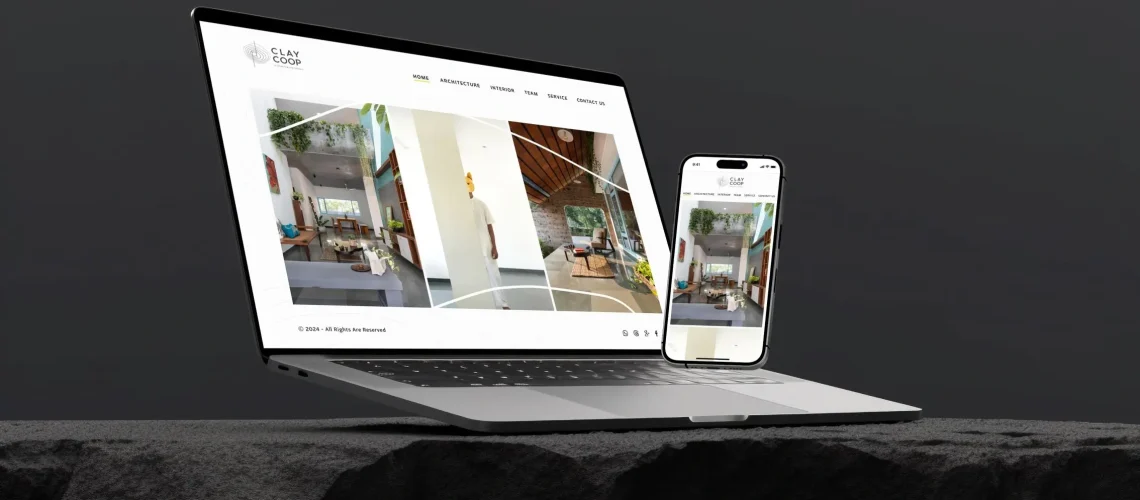
In the digital era, websites are often the first point of contact between a business and its audience. A website that is visually appealing but difficult to navigate can drive users away in seconds. This is why understanding the importance of user experience in modern websites is essential for businesses and developers. User experience (UX) encompasses every interaction a visitor has with a website, including how easy it is to navigate, how quickly pages load, and how visually satisfying the site is. Effective UX is achieved through a careful balance of web design and web development.
What Is User Experience?
User experience is more than just how a website looks; it’s about how it feels and functions for the end-user. UX focuses on creating a seamless and enjoyable journey for visitors, ensuring they can achieve their goals efficiently and without frustration. This includes clear navigation, intuitive layouts, fast loading times, mobile responsiveness, and accessibility for users with different needs.
In web design, UX is reflected in visual elements like typography, color schemes, layout, and imagery. Designers craft the website to be aesthetically pleasing while also guiding users toward desired actions. Web development, on the other hand, brings these designs to life, ensuring that all interactive elements function correctly across devices and browsers. Both are crucial to creating an exceptional user experience.
Why User Experience Matters
First Impressions Are Lasting
Visitors often form opinions about a website within the first few seconds. A clean, professional, and intuitive design builds trust and credibility. This is why UX is so closely linked to both web design and web development—designers ensure visual appeal, and developers make sure the site runs smoothly.Boosts Engagement
A website that is easy to use encourages visitors to stay longer and explore more pages. Intuitive menus, clear calls-to-action, and responsive design keep users engaged. Fast-loading pages and interactive elements created by skilled web development further enhance engagement, making visitors more likely to interact with content and services.Increases Conversion Rates
Whether the goal is to generate leads, sell products, or share information, UX directly impacts conversion. Visitors are more likely to take action on a website that is simple to navigate and visually appealing. Thoughtful web design highlights calls-to-action effectively, while web development ensures forms, buttons, and other elements work seamlessly.Enhances Accessibility
Modern websites must be accessible to everyone, including people with disabilities. Features such as screen reader compatibility, keyboard navigation, and appropriate color contrast are critical components of UX. Both web development and web design contribute to creating an inclusive website that accommodates all users.Improves SEO Performance
Search engines increasingly consider UX when ranking websites. Factors like mobile responsiveness, page speed, and user engagement affect search engine results. By focusing on UX, businesses not only satisfy visitors but also improve their online visibility, making web design and web development key elements of digital marketing strategies.
Key Elements of Modern Website UX
Responsive Design
With a growing number of users accessing websites via smartphones and tablets, responsive design is essential. Websites must adapt seamlessly to different screen sizes while maintaining functionality and visual appeal. Web developers implement frameworks that ensure responsiveness, while web designers create layouts that remain consistent across devices.Intuitive Navigation
A website should allow users to find information quickly without confusion. Clear menus, search functionality, and structured content help users navigate effortlessly. Both web design and web development play a role in making navigation smooth and efficient.Fast Load Times
Speed is a crucial factor in UX. Pages that load slowly frustrate users and increase bounce rates. Developers optimize code, compress images, and implement caching to ensure fast performance, which significantly enhances the user experience.Consistency in Design
Consistent design elements, such as fonts, colors, and button styles, provide a cohesive user experience. Web design ensures visual harmony, which helps users navigate the site more intuitively and strengthens brand identity.Interactive Feedback
Interactive elements like buttons, forms, and animations give users immediate feedback on their actions. Properly implemented by web development, these features make interactions feel natural and engaging.
Conclusion
The importance of user experience in modern websites cannot be overstated. UX directly influences engagement, conversion rates, accessibility, and even search engine performance. A website that combines excellent web design with robust web development delivers a seamless, intuitive, and enjoyable experience for every visitor.
Businesses that invest in UX gain a competitive edge, retain more visitors, and foster long-term customer loyalty. In the rapidly evolving digital landscape, prioritizing UX is no longer optional—it is a necessity. By understanding and implementing the principles of great UX, organizations can create websites that are not only visually appealing but also highly functional and user-centric.